The question every visitor ends up asking
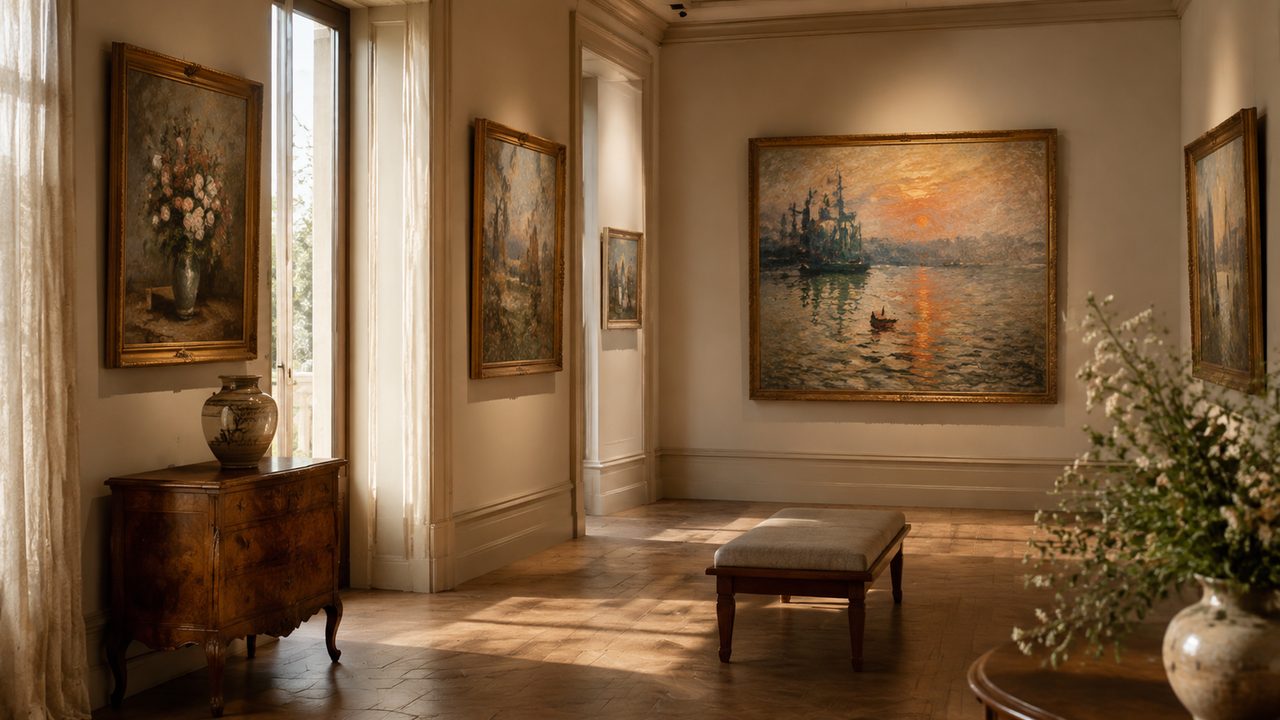
Every serious visitor to London's museums eventually asks the same question: where are the women? The honest answer is that the collections are still heavily weighted toward men, but the situation is better than the headlines suggest, and it is improving in visible ways. The rooms below are where the work is reliably on display — not in storage, not in the catalogue, but on the wall.
The list is deliberately short and concrete. These are paintings and objects you can stand in front of this week, in permanent collections, without a special ticket.
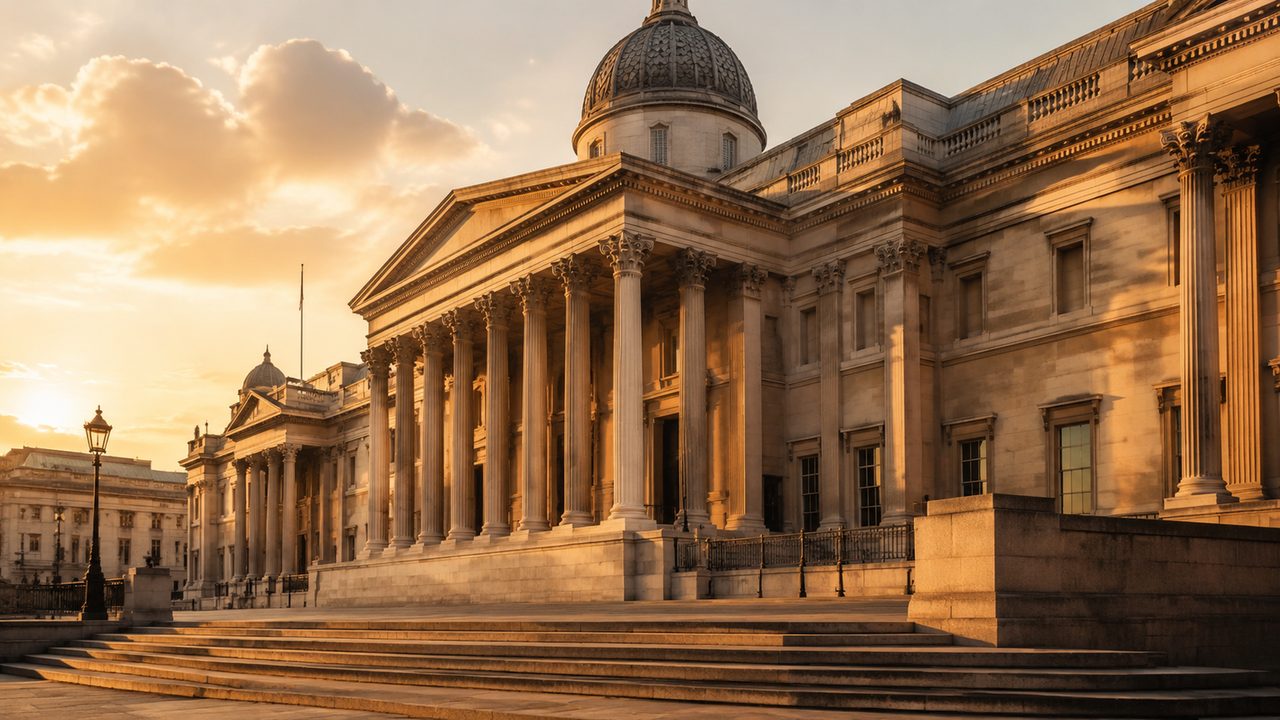
The National Gallery: Gentileschi and Vigée Le Brun
The National Gallery has made two significant additions in recent years, both of which are on display. Artemisia Gentileschi's Self Portrait as Saint Catherine of Alexandria — painted around 1615–17, when she was in her early twenties — entered the collection in 2018, and it hangs in the seventeenth-century rooms, a rare and gripping image of a woman painting her own legend.
Élisabeth Vigée Le Brun's Self Portrait, painted in 1781 at the height of her fame as Marie Antoinette's portraitist, joined the collection in 2023 and hangs among the French pictures. Together the two works give the National Gallery something it badly lacked: women artists on the walls of its European collection.
The Courtauld: Morisot and Cassatt
The Courtauld Gallery's Impressionist rooms hold two works that the museum itself calls out in its own hang: Berthe Morisot's Woman at her Toilette, painted around 1875–80, and Mary Cassatt's The Cup of Tea of 1880–81. Morisot was one of the founding members of the Impressionist group; Cassatt was the American who brought the movement home. Both are on view in the permanent collection.
The two paintings are worth more than their labels. Morisot's brushwork is loose where the male Impressionists' was careful, and Cassatt's subject — a woman at tea — quietly refuses the nude-and-bather tradition. Seeing them beside their male contemporaries makes the movement's blind spots visible.
Tate Britain: Gwen John, Bridget Riley and the twentieth century
Tate Britain's twentieth-century rooms hold a reliable run of work by women, though it is spread through the displays rather than gathered in one place. Gwen John's quiet interiors — small, grey-green paintings made in Paris — appear regularly, and Bridget Riley's Op Art canvases from the 1960s anchor the later galleries.
The gallery's recent rehangs have made an effort to distribute women artists through the narrative rather than isolate them, and the result is a walk through the century that feels closer to what actually happened. Ask at the information desk for the women-artists trail; the staff have a printed one.
The National Portrait Gallery: Knight and the new hang
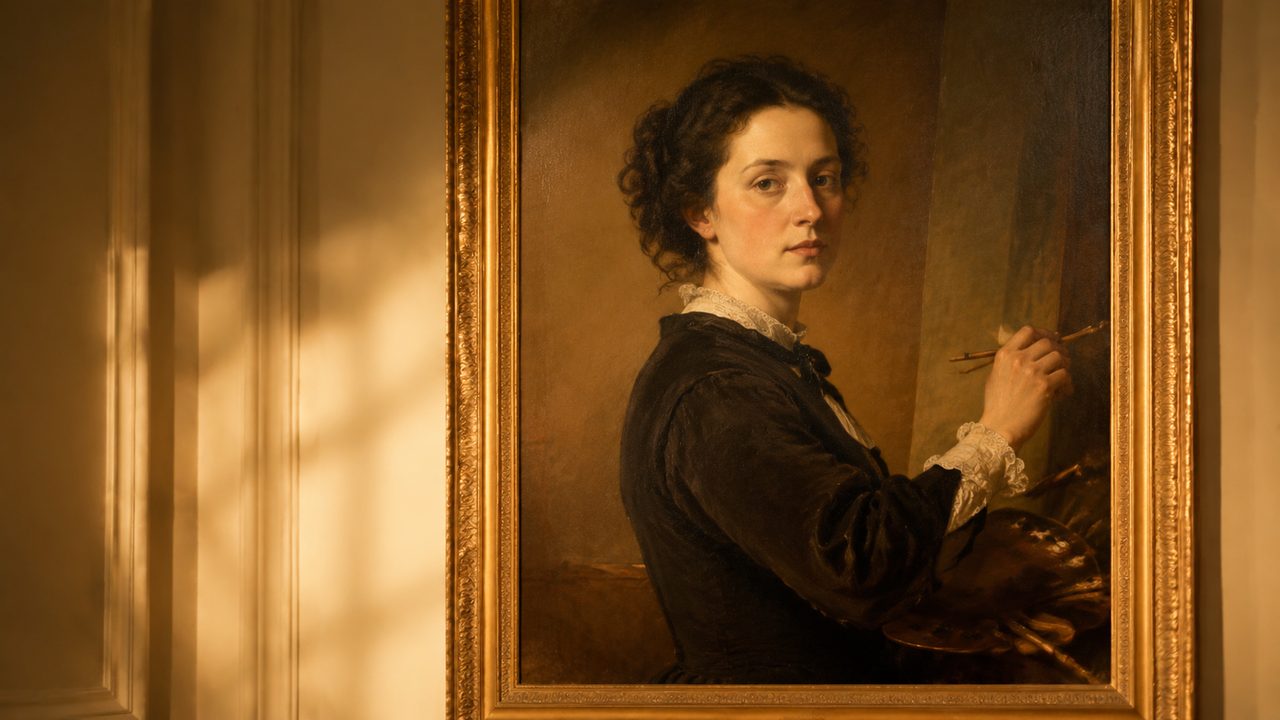
The National Portrait Gallery, reopened in 2023 after a major refurbishment, is the most visible recent attempt to rebalance a collection. Its permanent hang now places women artists and sitters throughout the rooms, and Laura Knight's great 1913 self-portrait — the artist at work in her studio, in paint-spattered overalls — has become one of the most photographed works in the building.
The gallery's approach is instructive: rather than a separate room of women, it has integrated the work into the main narrative, which makes the absences in the older rooms more visible even as it fixes the newer ones. It is the most honest answer the museum world has yet produced.
Practical notes
Everything on this list except the Courtauld is in a free permanent collection; the Courtauld is ticketed, at around £13 for adults. The National Gallery, the National Portrait Gallery and the Courtauld all sit within a ten-minute walk of one another in central London, which makes them a single afternoon's route.
Tate Britain is the outlier, a tube ride to Pimlico, but its rooms deserve a morning on their own. The useful habit is to check the museums' own listings before visiting — the displays change, and the works above are the current, confirmed highlights.