The portrait's second life
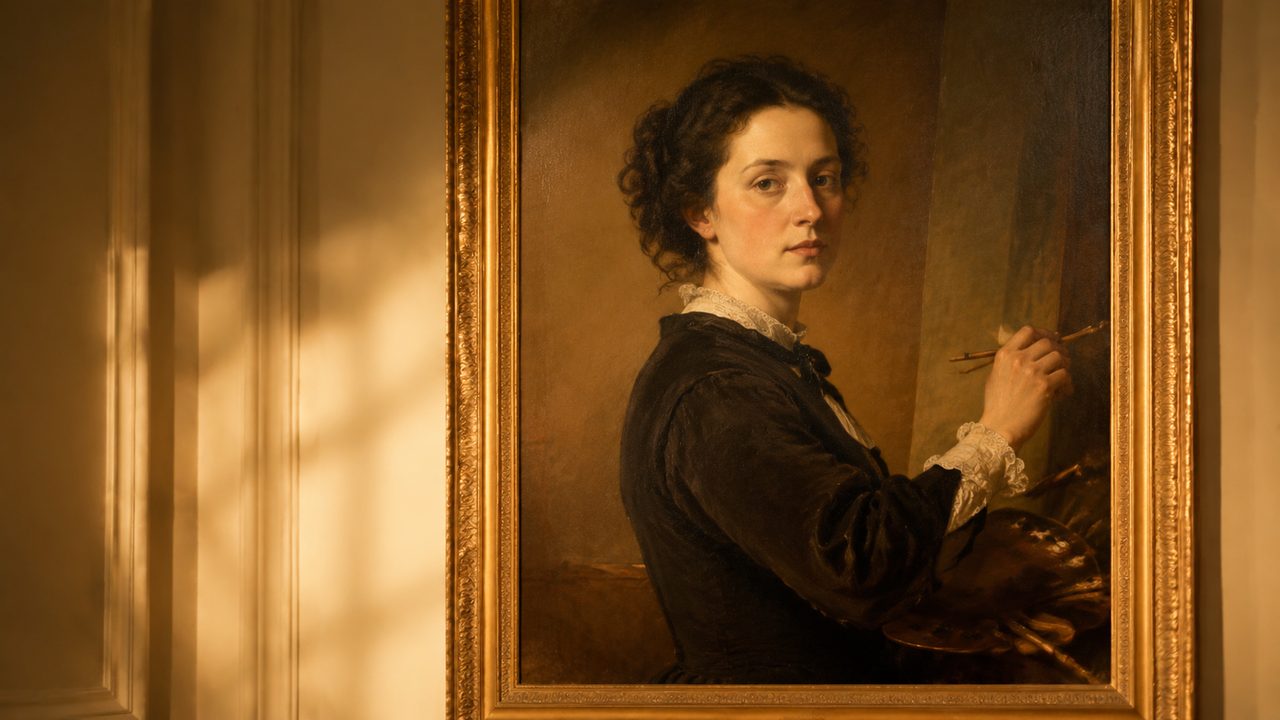
Portraiture spent the twentieth century being declared dead, and it has spent the twenty-first proving the obituaries wrong. London is the centre of the revival: the city's portrait prize draws thousands of entries, its commercial galleries show portrait painters to collectors, and its museums have rehung their faces with new confidence. The portrait has become the genre where contemporary artists test the oldest questions — identity, likeness, power — in public.
The sections below run from the institutional home of the portrait to the artists who have stretched its definition. All of the work mentioned is on display in London at least part of the year.
The National Portrait Gallery's reopened rooms
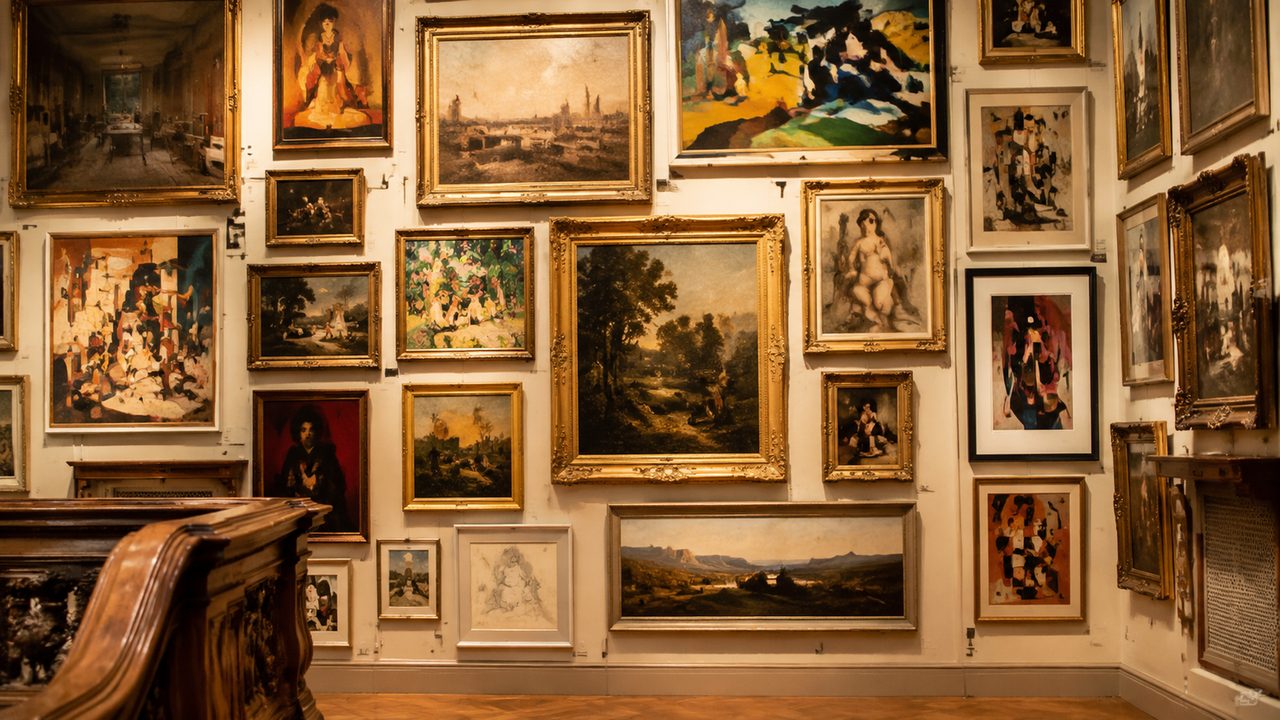
The National Portrait Gallery closed for three years and reopened in June 2023 with its permanent hang rebuilt. The new rooms mix the historical and the contemporary throughout, and the gallery's fundamental wager — that a face can carry history — has never looked more confident. The collection is free, and the contemporary rooms at the top of the building are where the genre's current state is easiest to survey.
The reopening also refreshed the gallery's approach to who gets a portrait at all, with more sitters and makers from beyond the traditional establishment. The result is a portrait collection that finally looks like the country it claims to represent.
The Portrait Award and what it shows
The National Portrait Gallery's annual portrait competition — now the Herbert Smith Freehills Portrait Award, after its long sponsorship by BP ended — is the most reliable window onto where portraiture is heading. Each year's shortlist of paintings and drawings is displayed at the gallery, and the winning portrait joins the collection.
The prize money is modest by art-world standards; the real prize is the display, which thousands of visitors walk through each summer. The shortlist skews young and international, and the standard of technical painting is higher than in most contemporary galleries.
Lynette Yiadom-Boakye and the invented sitter
Lynette Yiadom-Boakye has become the defining London portraitist of her generation by refusing the genre's basic contract: her sitters do not exist. She paints invented figures — Black men and women caught in quiet, unplaceable moments — working quickly, from no model and no photograph, in a single session of wet oil paint.
Her work has shown at Tate Britain and across the world, and its achievement is to detach portraiture from the person and attach it to the paint. Her figures look like someone you almost know, which is the point: the portrait becomes a test of the viewer's own memory.
Michael Armitage and the painting of East Africa
Michael Armitage paints scenes of East Africa on lubugo bark cloth — the traditional material of Ugandan bark painters — working from news images, family memory and his own observation. The portraits in his paintings are often of real people caught in public moments, translated into a surface that hums with the cloth's texture and knots.
Armitage is London-based and shown by White Cube, and his work appears regularly in gallery shows and museum surveys. The distance between his raw bark surface and the polished portraiture tradition is exactly where the interest lives.
Chantal Joffe, Jonathan Yeo and the painted news
At the more traditional end, Chantal Joffe's large paintings of women and children — including her 2016 portrait of the Queen for a BBC series — keep the figure central, while Jonathan Yeo's 2024 portrait of King Charles III, unveiled at Buckingham Palace and later shown publicly in London, brought the official portrait back into the news cycle. Both artists treat the face as a serious studio problem rather than a celebrity accessory.
The commercial portrait market that supports these careers lives in Mayfair, where the galleries sell contemporary portraits the way earlier centuries sold them — as commissions, gifts and statements of status. The genre's old functions, in other words, are all still running.
Practical notes
The National Portrait Gallery is free and sits on Trafalgar Square, opposite the National Gallery; together they make a full day of faces. The Portrait Award usually shows from mid-summer into the autumn, and the Courtauld's small portrait rooms — including Van Gogh's self-portrait with the bandaged ear — are the closest thing to a short course in the genre.
For the contemporary edge, the Mayfair galleries and White Cube's spaces are free and open most weekdays, and the artists above all show in London at intervals. The portrait's second life is easy to find; you only have to walk in.