A collection you can finish
The Courtauld's permanent collection is small enough to hold in a single visit, which is precisely its point. It was assembled by the textile magnate Samuel Courtauld in the 1920s and 30s, when the Impressionists were still affordable for a private buyer, and it concentrates on the fifty years of painting that changed everything: Manet, Monet, Renoir, Degas, Cézanne, Gauguin, Van Gogh.
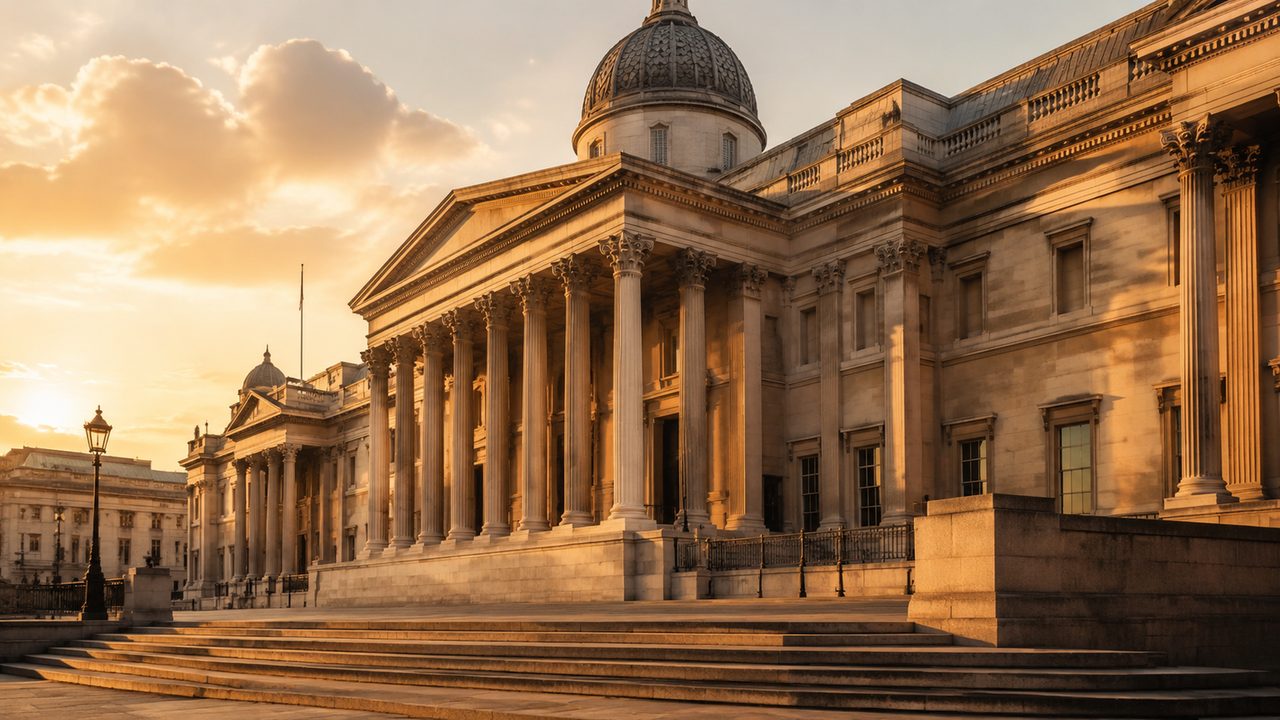
The gallery sits inside Somerset House on the Strand, in rooms reached by a grand staircase off the courtyard. After a redevelopment that closed the galleries between 2018 and 2021, the hang is open and calm, and the whole collection — including the famous nineteenth-century sequence — can be seen in about ninety minutes.
The great staircase rooms: Manet to Gauguin
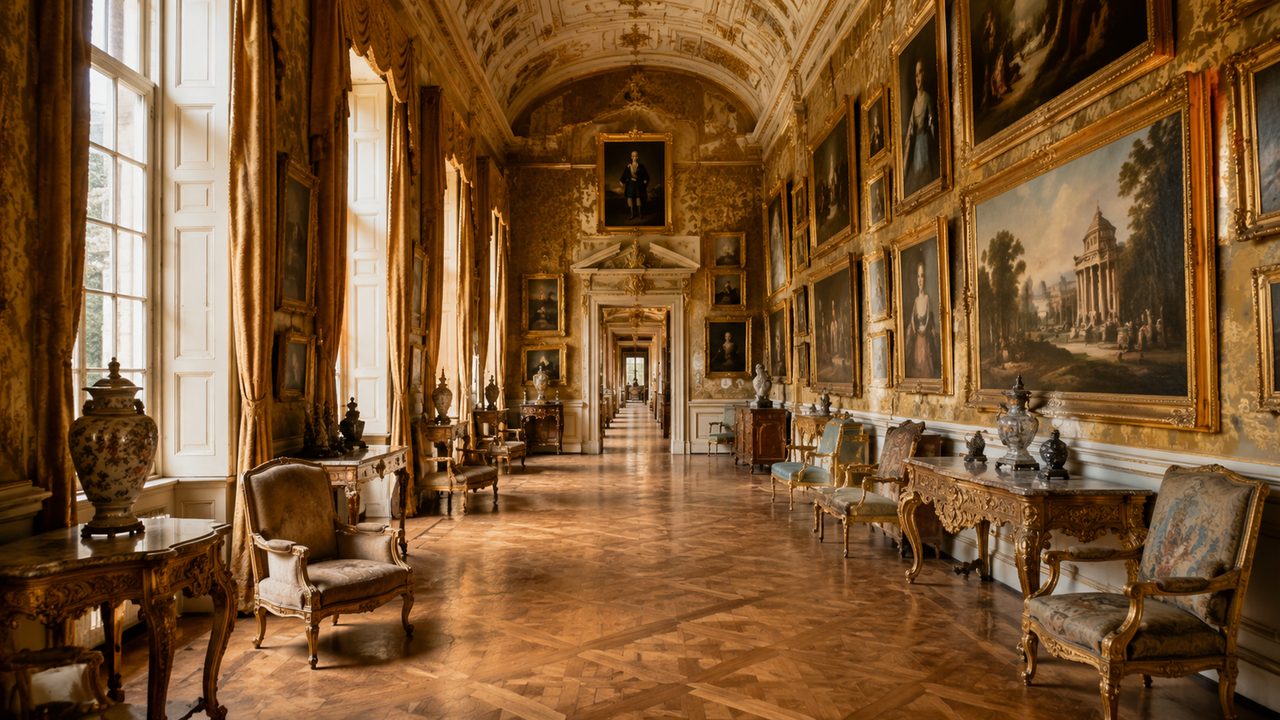
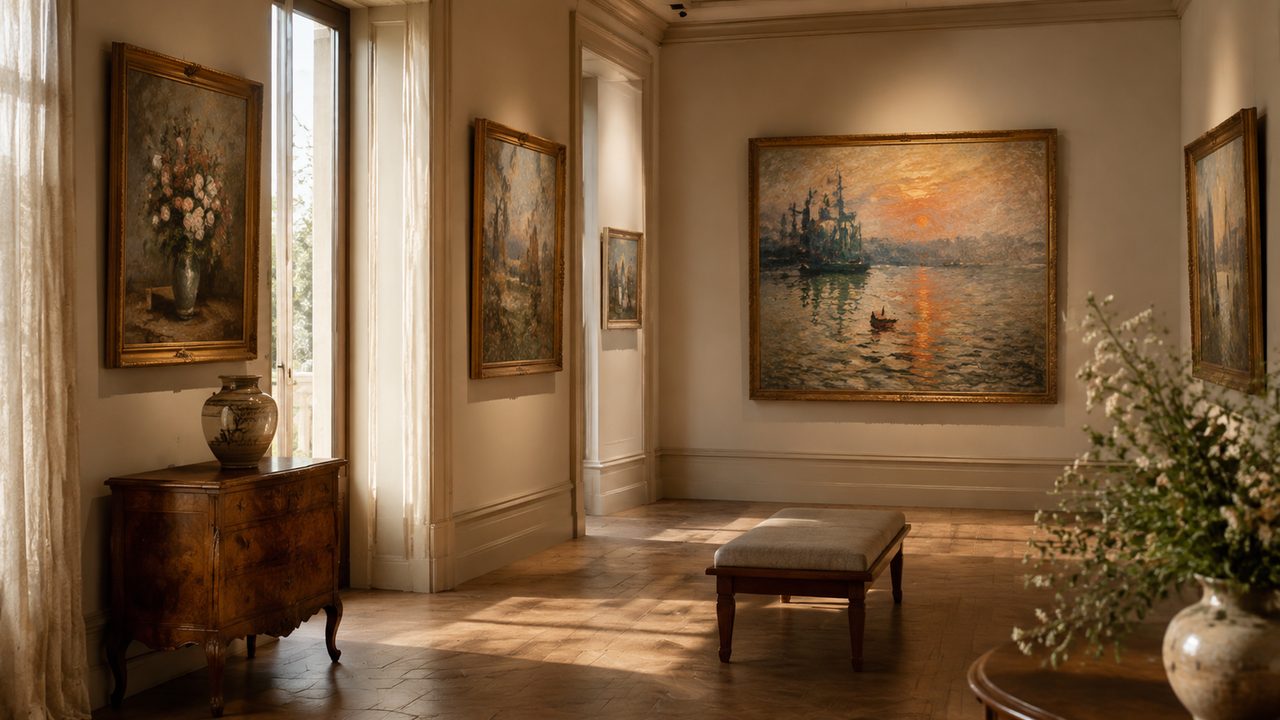
The nineteenth-century rooms are arranged as a sequence, and the simplest way to see them is to follow it: early Impressionism, the high years of the 1870s, then the Post-Impressionists. Renoir's La Loge, painted in 1874 and shown in the first Impressionist exhibition, sits near Monet's and Pissarro's views of the Seine and the parks, and the room makes the movement's early battles feel recent.
Degas is the surprise of this stretch — his pastels and paintings of dancers and laundresses are scattered through the rooms rather than corralled, and seeing them among the landscapes is truer to the period than any single-artist hang.
One painting to stand in front of
The collection's anchor is Manet's A Bar at the Folies-Bergère, painted in 1882, which hangs at the end of the main suite. It is one of the most analysed paintings in the world — the barmaid's gaze, the mirror behind her, the reflections that refuse to line up — and it repays a full five minutes of standing still, which is more than most rooms earn.
Look first at the bottles along the marble counter, then at the mirror, and then at the barmaid's eyes. The picture is famous for being confusing, but the confusion is the subject: a woman at work, surrounded by pleasure she is not part of.
Van Gogh and the self-portraits
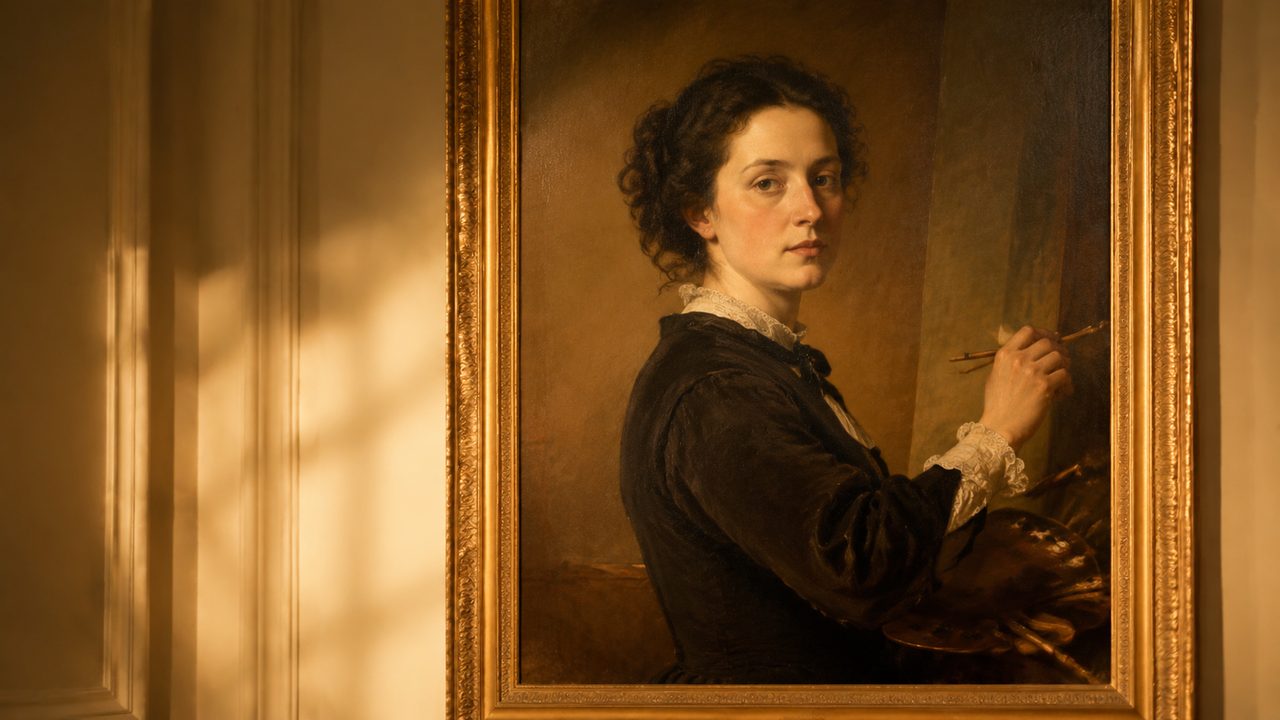
The Courtauld holds one of the great Van Gogh self-portraits: the 1889 painting with the bandaged ear, made in the months after he mutilated himself in Arles. Hung against a plain wall with a single bench opposite, it is the closest the collection comes to a sacred object, and the crowds behave accordingly.
The same rooms hold a Cézanne still life of apples and a wall of Gauguin's Tahitian paintings. Compare the two men's oranges — Cézanne's built from small slabs of colour, Gauguin's flat and symbolic — and the whole argument of Post-Impressionism is in front of you.
The quiet rooms: old masters at the back
Most visitors turn right out of the modern rooms and miss the older half of the collection. The Seilern bequest, given in 1978, includes Rubens's oil sketches and a long run of Italian panels, and these rooms are usually near-empty even at the gallery's busiest weekend moments.
The contrast is worth the detour: after the colour and struggle of the nineteenth-century rooms, the earlier paintings' cool, ordered surfaces show how far painting had travelled in four hundred years. The medieval and Renaissance galleries sit at the back of the building, quiet and poorly signposted, which is exactly why they work.
Practical notes
The Courtauld is at Somerset House on the Strand, a short walk from Temple, Covent Garden and Charing Cross stations. Tickets cost around £13 for adults with concessions and free entry for under-18s, and timed entry should be booked in advance on busy days. The gallery opens daily from 10:00 to 18:00, with late hours on Fridays.
The building's river terrace and the courtyard fountains are free, and the cafe overlooking the courtyard is a reliable stop. Budget the morning for the gallery and the afternoon for the river walk east toward St Paul's — it is the same route the Impressionists' first London buyers would have taken.