A private collection that stayed private
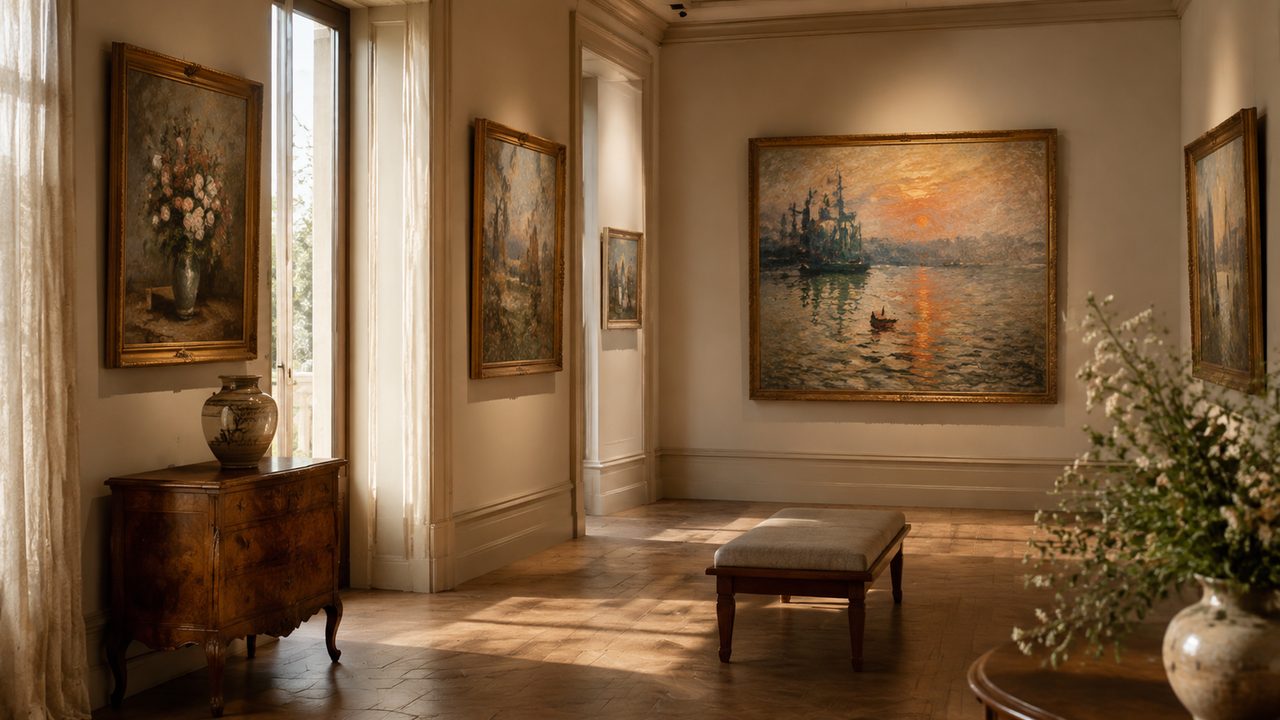
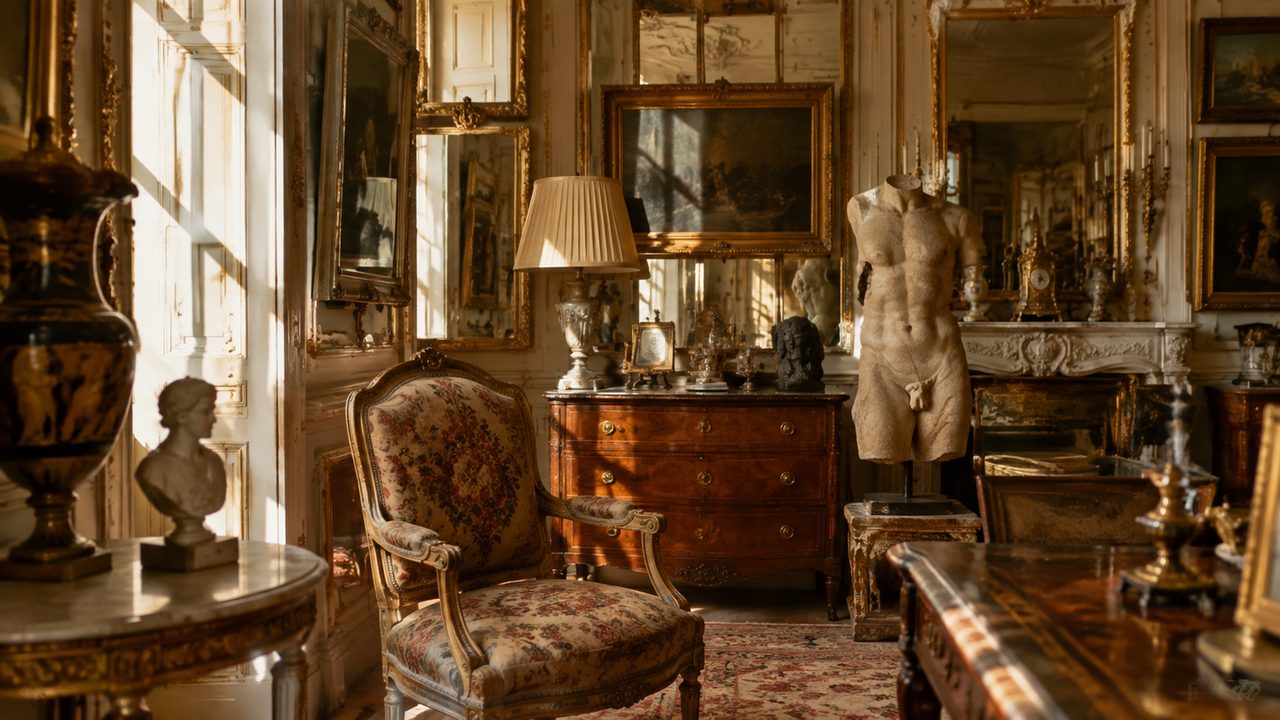
Hertford House, on Manchester Square, was the London home of the Marquesses of Hertford and then of Sir Richard Wallace, who inherited the collection in 1870. Wallace's widow left the whole thing to the nation in 1897, and the house opened as a museum three years later. Because the collection never moved, it survives as a nineteenth-century private gallery: paintings packed floor-to-ceiling, furniture, porcelain and armour all together.
The building is free and open daily from 10:00 to 17:00, with no booking. Weekend afternoons get busy; Tuesday mornings are reliably calm.
The Great Gallery and the Cavalier
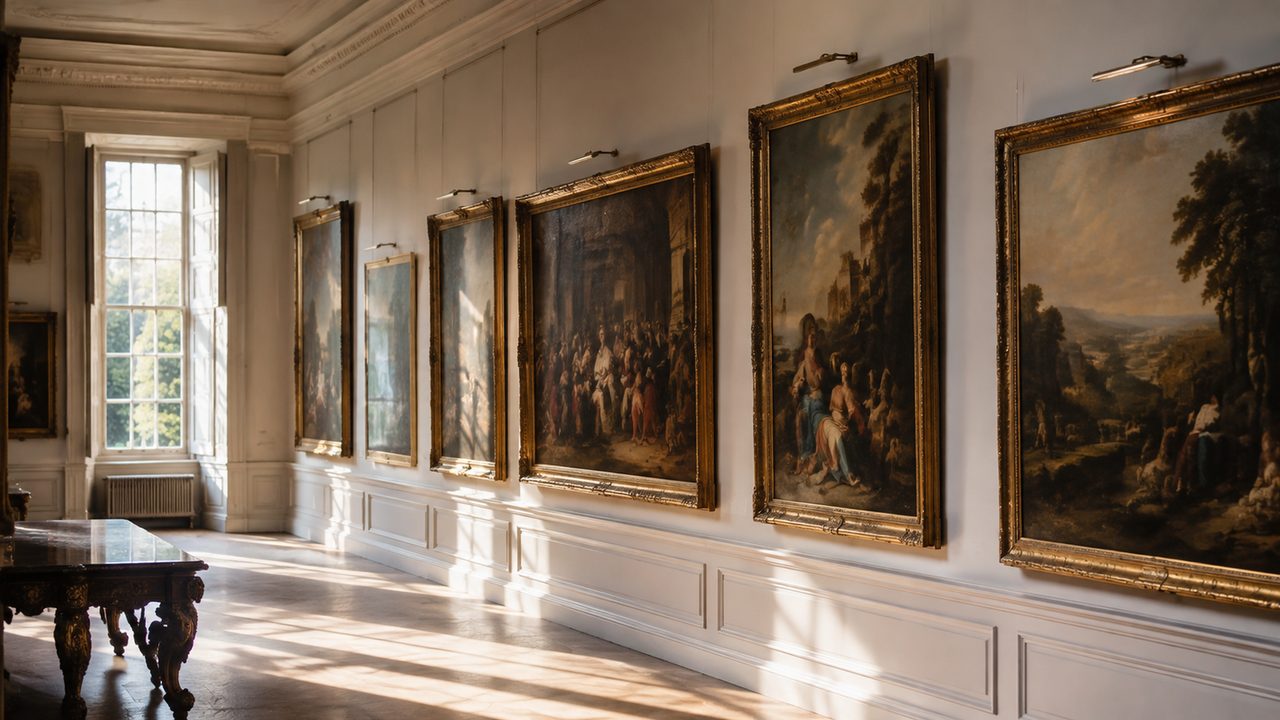
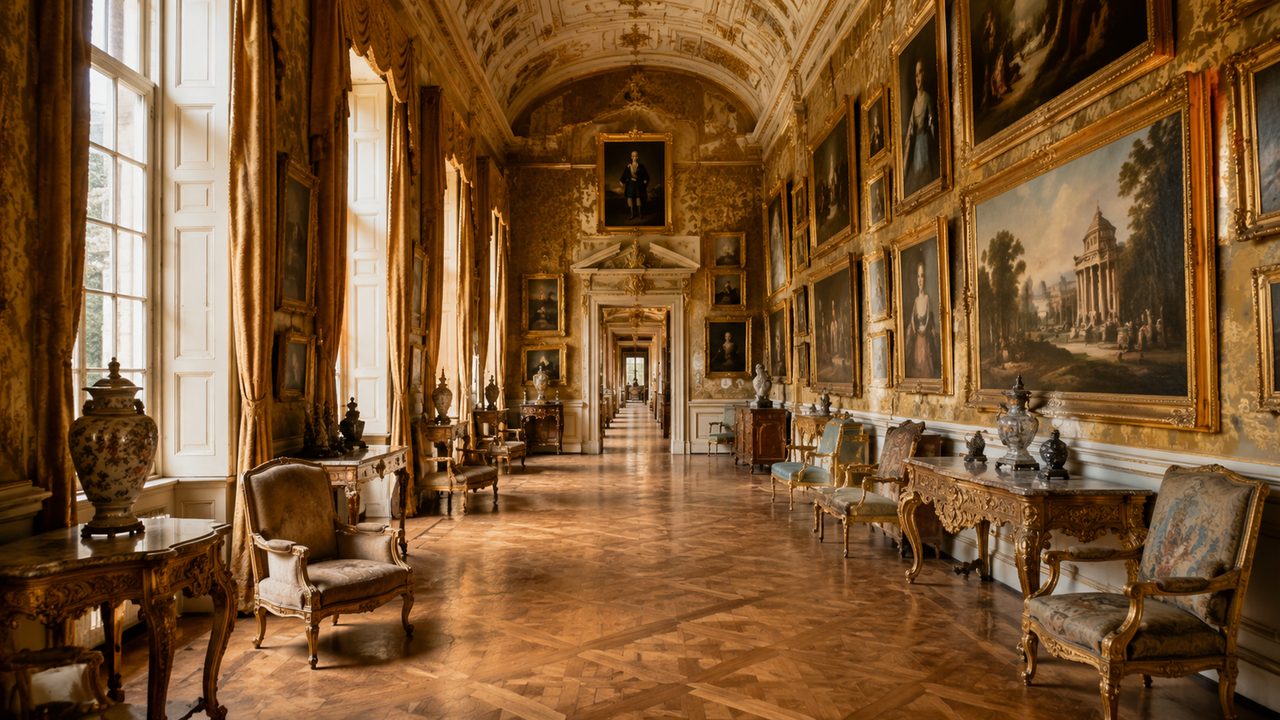
The Great Gallery runs the length of the first floor and is the collection's grandest room, hung salon-style with Dutch and Flemish paintings in three or four rows. The famous work is Frans Hals's The Laughing Cavalier of 1624, a portrait of a young man whose smirk and slashed sleeve have been charming visitors for four centuries. It hangs at eye level, and it is every bit as good as the postcards suggest.
Rembrandt's paintings hang nearby, including the Good Samaritan of 1633, and the way the frames crowd the walls is the room's real subject: wealth, taste and the appetite for pictures.
The French rooms: Fragonard and the pink boudoir
The French eighteenth-century rooms are the collection's most surprising pleasure. Fragonard's The Swing — the rococo image of a woman on a swing, kicking off a slipper — hangs here, and the surrounding Boucher canvases, in pinks and powder blues, cover whole walls. This is the closest London comes to Versailles without leaving Zone 1.
The rooms were assembled when French eighteenth-century painting was out of fashion and cheap, which is why the collection holds such depth. A run of Boucher's mythological idylls and the great Swing hang within two rooms of each other, and both reward sitting down rather than circling. The Hertfords bought French art when London ignored it, and the depth of the rooms is the reward for that unfashionable taste.
The armoury: the loudest room
The armoury is the collection's crowd-pleaser and its strangest room: European and Oriental arms and armour, from full suits of horse armour to jewelled Indian daggers, displayed in glass cases along three floors of galleries. Children love it; adults tend to drift through faster than the objects deserve.
The Oriental galleries upstairs — with their swords, shields and jade — are quieter than the European halls and worth the extra stairs. The armoury is not why most people come to the Wallace, but it is why many come back.
Porcelain and the day rooms
The porcelain rooms hold one of the world's great collections of Sèvres, the soft-paste porcelain made for French kings, in every shade of rose and turquoise. The pieces are displayed in the domestic rooms where they were used — the Oval Drawing Room, the Smoking Room, the boudoir — so the collection reads as a house rather than a museum.
The staircase landings hold Canaletto's views of Venice, and the courtyard cafe, open under a glass roof, is one of the most civilised places in central London to drink a coffee between rooms. The basement rooms, less visited, hold the collection's furniture and silver, where the house's role as a home is most legible — this is a palace that still remembers being lived in. The whole visit can be done in two hours, or stretched across an afternoon without ever feeling long.
Practical notes
The Wallace Collection is at Hertford House, Manchester Square, between Bond Street and Baker Street stations. Entry is free, no booking is needed for the permanent galleries, and the house opens daily from 10:00 to 17:00. There is a free cloakroom, and the cafe is worth planning around.
The collection pairs naturally with the Courtauld, twenty minutes away on foot across Oxford Street and the Strand: both are private collections turned public, and together they tell the story of how London's galleries were built.