What the Summer Exhibition is
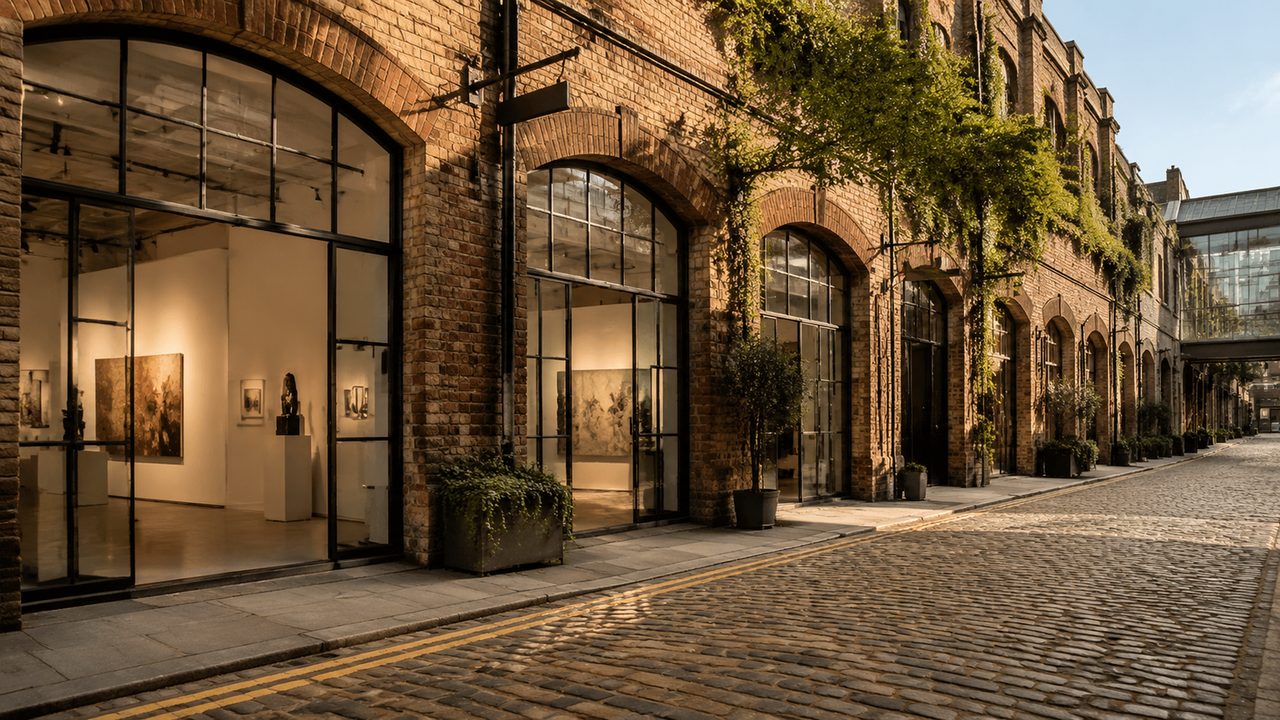
For eight weeks each summer, the Royal Academy of Arts fills its galleries on Piccadilly with a single sprawling show of new art. Anyone can enter: the open call costs a small fee per work, thousands of artists submit, and a hanging committee of Royal Academicians decides what survives. The result is part state fair, part museum show and part shop window — the one exhibition in London where the work is guaranteed to change every year and where a stranger's painting might be the best thing you see.
The open call and the hang
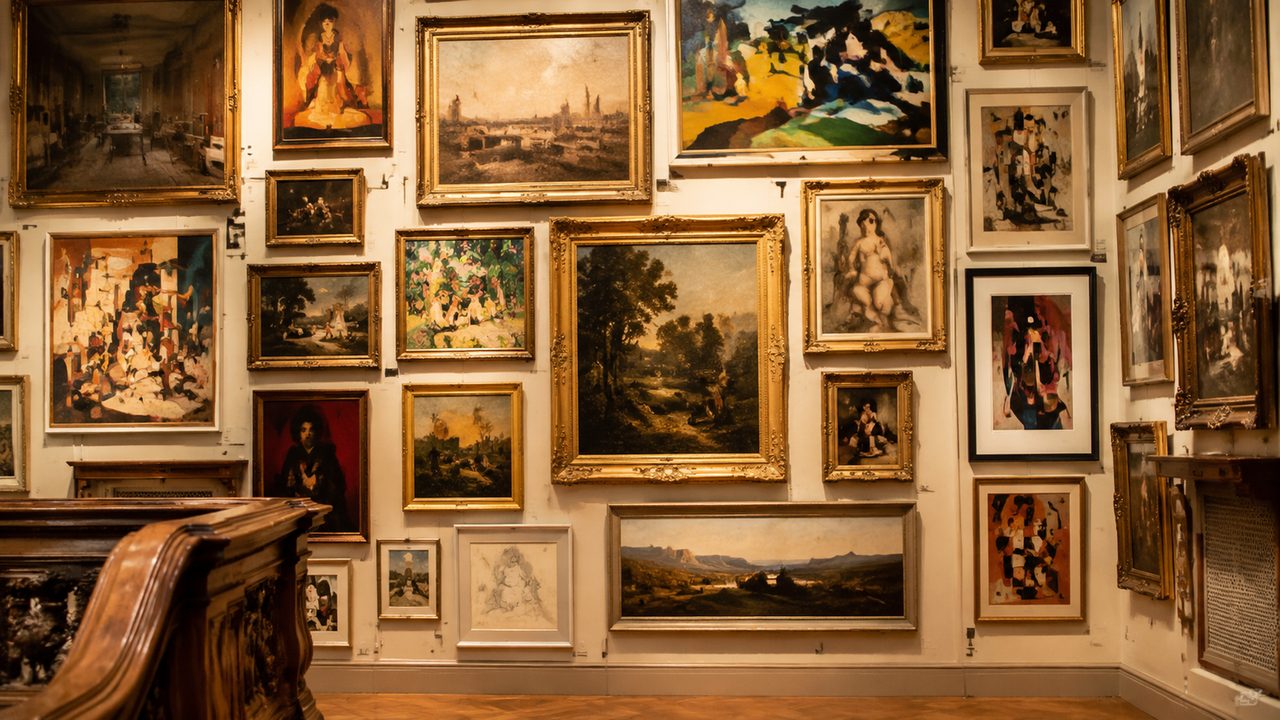
The numbers explain the experience. Around fourteen thousand works are submitted each year, and the committee hangs roughly a tenth of them. That selection is the show's hidden art: the committee does not just choose works, it decides how the walls feel, cramming some rooms with paintings edge to edge in the traditional "salon hang" and leaving others sparse. The famous dense walls are not an accident or a storage problem; they are a deliberate, crowded statement about how much contemporary art there is. Read the room titles at each door — they tell you what argument the committee is making before you see a single frame.
A walk through the rooms
The show begins on the ground floor with sculpture and works on paper, but the heart of it is upstairs in the large painting galleries, where the salon hang lives. Start with the room that greets you at the top of the main staircase and work clockwise. The architectural room, with its intricate models and measured drawings, is always worth a slow pass. The print room hides some of the cheapest and best works in the show. And the final room, usually given to the larger canvases, is where the committee lets its hair down — expect colour, scale and at least one piece you will text someone about.
Prices, red dots and buying
Everything in the show is for sale, and that is the point of the exercise. Each label lists the price, and works sell continuously through the summer; when a piece sells, a red dot appears beside it, and by late August many of the most interesting things have dots. Prices range from a few hundred pounds for prints and small works to serious five-figure sums for the large paintings. Buying is straightforward — the desk near the exit handles sales — and knowing that the labels are real prices changes how you look. You are not just judging art; you are window-shopping it, which is its own kind of education.
Practicalities at Piccadilly
The show runs from June into August at the Royal Academy, Burlington House, Piccadilly, and it is the RA's only ticketed annual fixture. Adult tickets sit around £20, with concessions, and it is worth booking a timed slot in advance — Saturday queues down the courtyard are routine in July. Members enter free, and the RA's courtyard café is the calmest place to recover halfway through. Give yourself at least ninety minutes; the show rewards a slow second pass more than any exhibition in London, because the walls are so dense that a second lap always surfaces something the first one missed.
How to enjoy it without burnout
The mistake most visitors make is reading every label. Do not. Pick three rooms to read closely and drift through the rest, letting the walls work on you. Ignore the red dots on the first pass — the best work is not always the most purchased. Talk quietly, stand close to the painting when you like it, and leave before your legs decide for you. Treated that way, the Summer Exhibition is the best-value ticket in London's art summer: one fee, fourteen hundred works, and the distinct chance that the artist you discover here is showing in a solo room somewhere else in five years.