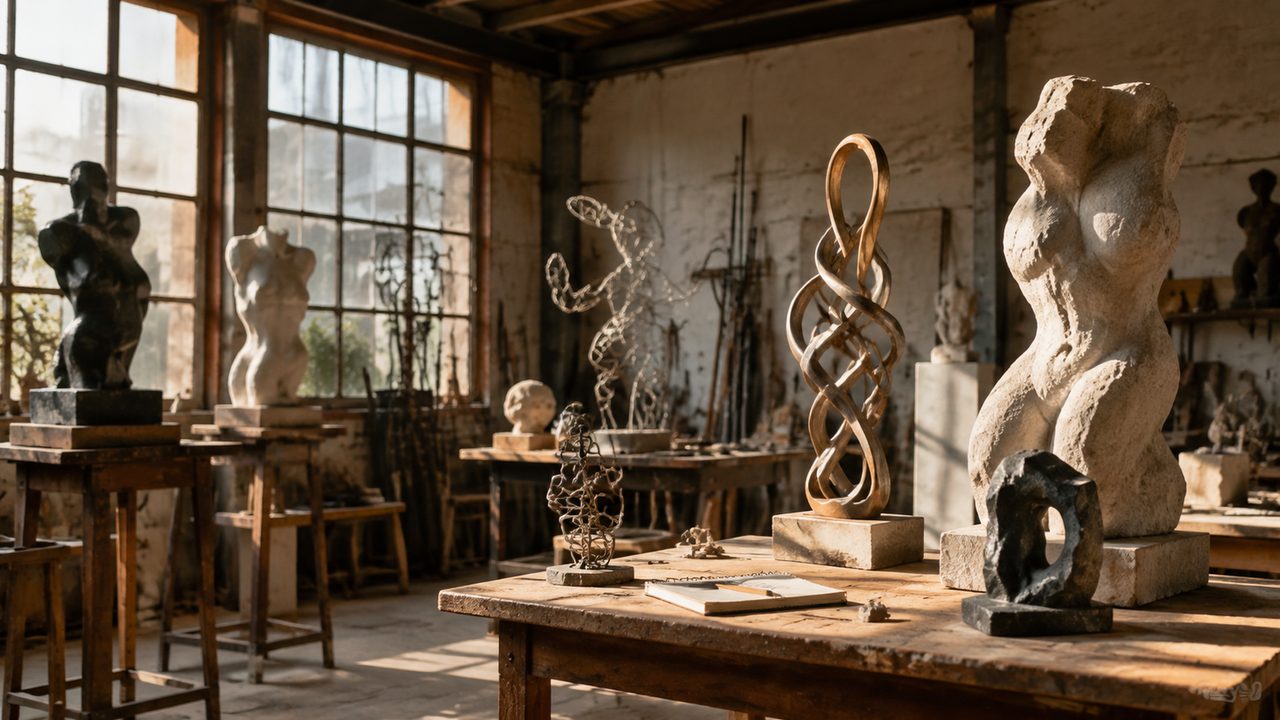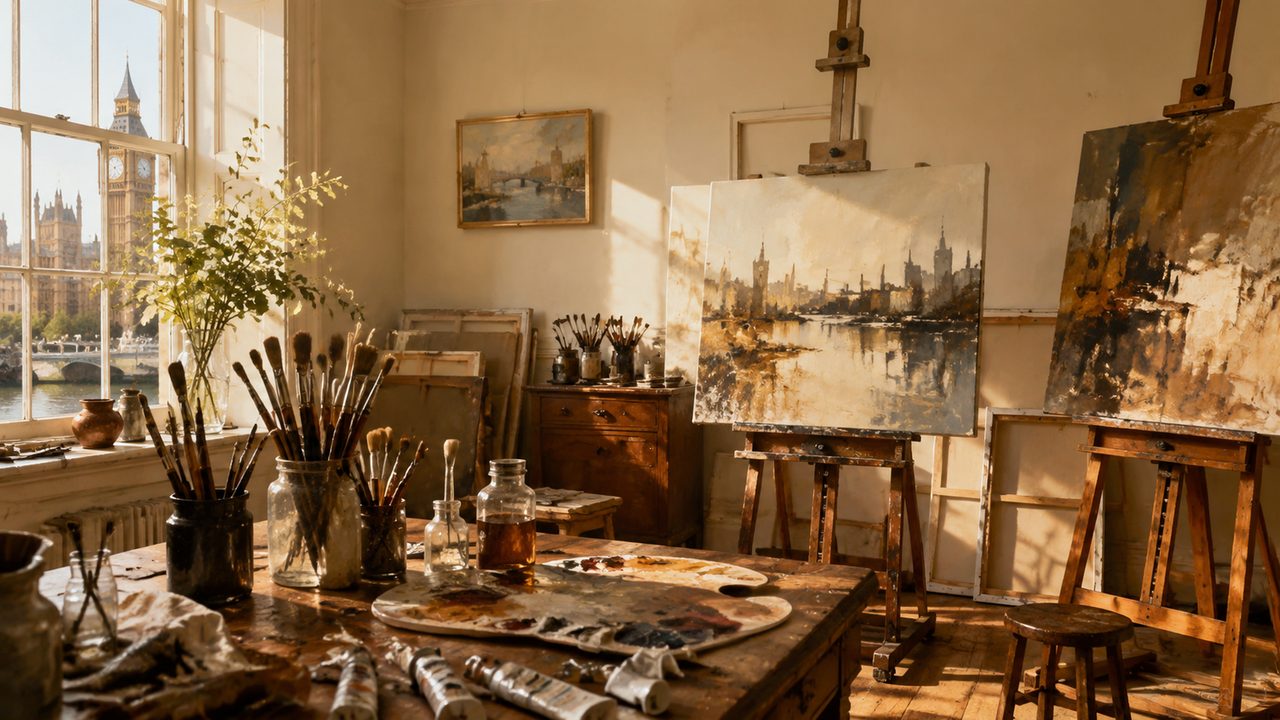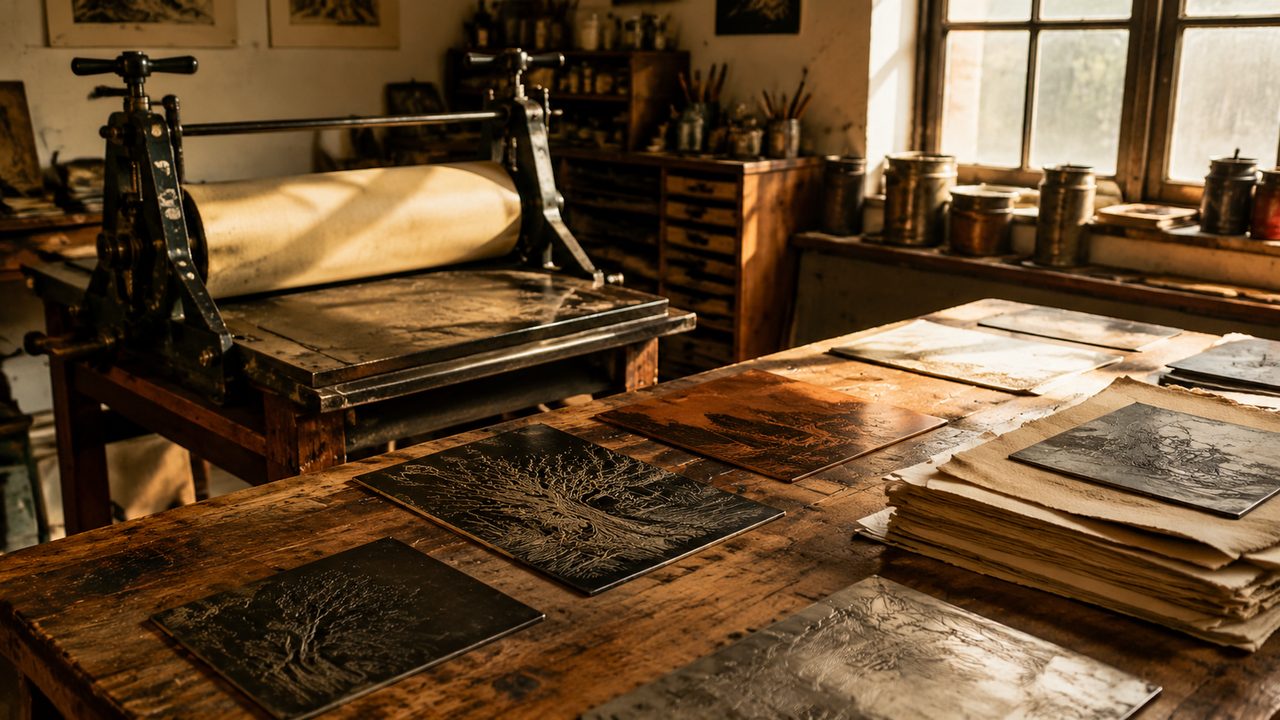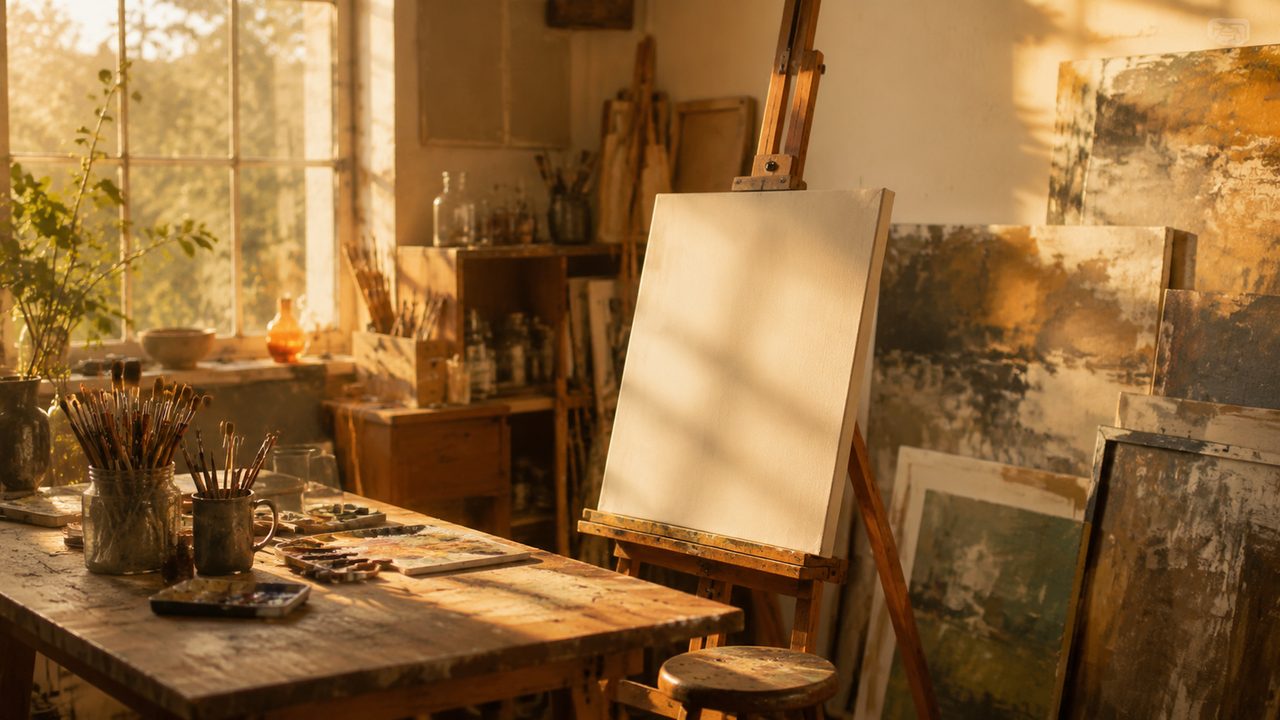
The studio is the fixed cost
Ask any London artist what threatens their practice and the answer will not be inspiration or the market — it will be the rent. A studio in one of the city's studio providers costs roughly £150 to £400 a month for a room-sized space, depending on distance from the centre and the condition of the building. That bill has to be paid before a single painting is sold, and it shapes how artists work more than any other single factor.
The studios that survive London's property market do so through a mix of providers, co-operatives and sheer stubbornness. The notes below are how the system works, and how visitors can see the results.
The providers: Acme, Bow Arts, Space
Three organisations run most of London's affordable studio provision. Acme, founded in 1972, is the largest, managing hundreds of studios across the city and housing artists for decades; Bow Arts, based in East London, runs studios and the Nunnery Gallery, a public space inside its own building; and Space — one of the oldest providers, with roots in the 1960s — keeps a large portfolio in Hackney and beyond.
The model is simple: the providers lease buildings on long terms, subdivide them into studios and rent to artists at below-market rates. The waiting lists are long, and the security of tenure is the most fought-over asset in the London art world.
The artist-run model
Outside the providers, a parallel economy runs on artist-run warehouses, railway arches and former council buildings, where groups of artists take on leases themselves and split the risk. Hackney Wick's warehouse co-ops are the best-known example: cheap, leaky, communal and increasingly rare as the area redevelops.
The trade-off is constant. Artist-run buildings offer more freedom and lower rents, but no landlord's protection when the developer arrives — and the developers always arrive. The history of London studios is largely a history of evictions, which is why the providers' long leases matter so much.
Open-studio season and what it is for
The open-studio weekend is the ritual that makes the studio system visible: once a year, the doors open, and the public walks through the rooms where the work is made. Deptford X, Walthamstow's open studios, Hackney Wick's festivals and Peckham's studio circuits all run on the same calendar, mostly in September, October and November.
For artists, the open studio is part sales, part marketing and part sanity check; for visitors, it is the best access to the art world that exists. Dealers and curators still find artists at open studios, which is why the weekends matter far beyond the door sales.
Funding and the grant treadmill
The public money comes mainly through Arts Council England's project grants, which fund specific projects rather than rents, and through residencies at institutions like Gasworks in Vauxhall, Camden Art Centre and the Delfina Foundation. The residencies are competitive and short; the grants are project-based; neither pays the monthly studio bill.
The result is a working economy most artists manage by combination: a teaching day here, a workshop there, a commission, a grant, a sale. The practice is protected not by a single income but by a patchwork, and the studios' shared kitchens are where the patchwork gets discussed.
Practical notes
For visitors, the way into the studios is the calendar: the open weekends between September and November are the golden months, and most are free. The Royal Academy's Summer Exhibition and the small group shows inside studio buildings fill the rest of the year.
Wear shoes you do not mind getting paint on, buy something small if you can — studio sales are how many artists keep the lights on — and do not be shy about asking questions. Studio people are the friendliest in the art world, because their work is built on exactly the kind of encounter you are having.