One brand, three rooms
White Cube was founded in 1993 by Jay Jopling, and the name became a style: the white room as a machine for looking at art, with nothing else in it. The gallery's three London spaces are variations on that idea — a vast converted warehouse in Bermondsey, a small brick building in a Mayfair courtyard, and the original Hoxton Square room where the brand first grew.
Together the three spaces cover the gallery's range, from the biggest names in contemporary art to the young artists it is betting on. All three are free, all three are open to walk-ins, and none of them expects you to buy anything. The rooms also mark the brand's growth: from a single St James's space in 1993 to three London buildings and spaces abroad, the expansion mirrors the art market's own boom over the same years.
Bermondsey: the industrial hangar
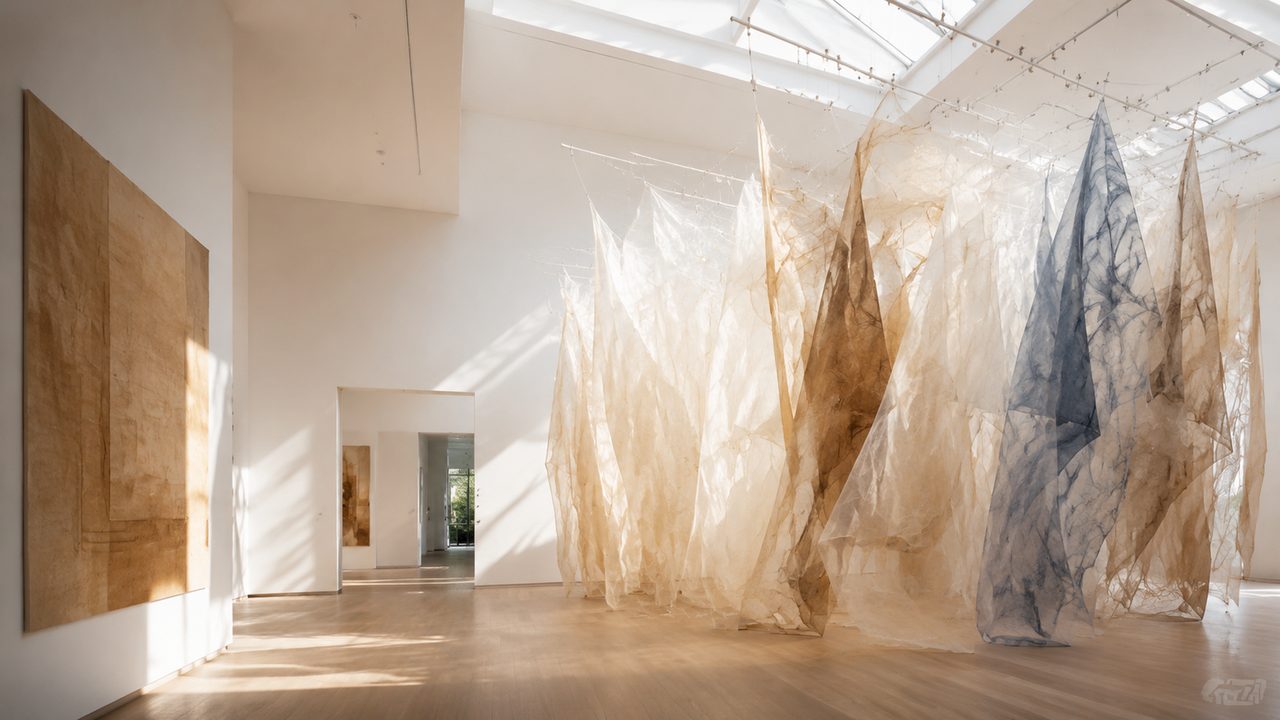
The Bermondsey space, at 144–152 Bermondsey Street, opened in 2011 in a former warehouse and is the largest of the three. Its two main galleries are the size of small aircraft hangars, and the shows there are the gallery's most ambitious — large installations, new commissions and survey-scale displays of its biggest artists.
The building also holds a bookshop, a viewing room and offices, and the whole operation is a working example of the modern gallery as a small corporation. It opens Tuesday to Saturday from 10:00 to 18:00 and Sunday from 12:00 to 18:00, and it is closed on Mondays.
Mason's Yard: the Mayfair jewel box
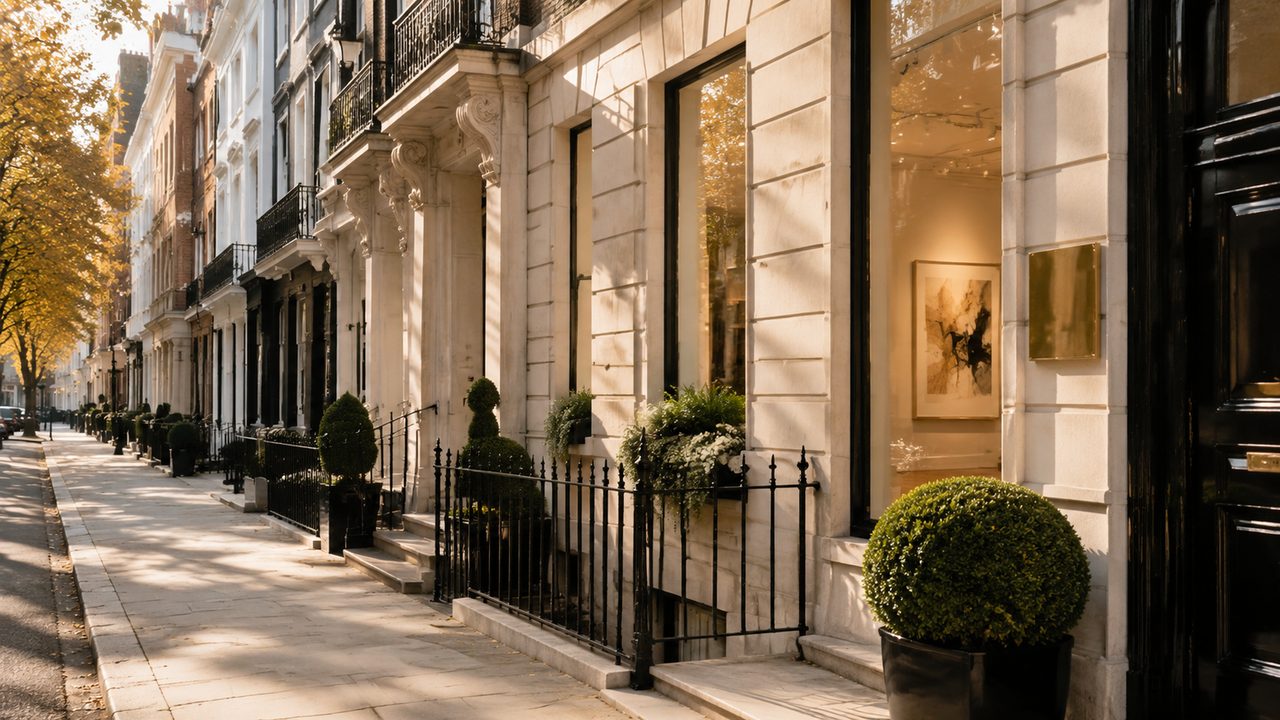
The oldest building in the group is the smallest: White Cube Mason's Yard, hidden in a courtyard off Duke Street in Mayfair since 2006. The space holds one or two rooms and shows the gallery's most important artists in conditions closer to a private view than a museum.
The yard itself — a paved court with a few benches — is a fine place to sit between shows. Mason's Yard is the gallery's most Mayfair room: small, polished and, on opening nights, the most crowded square footage in the London art world.
Hoxton Square: where it began
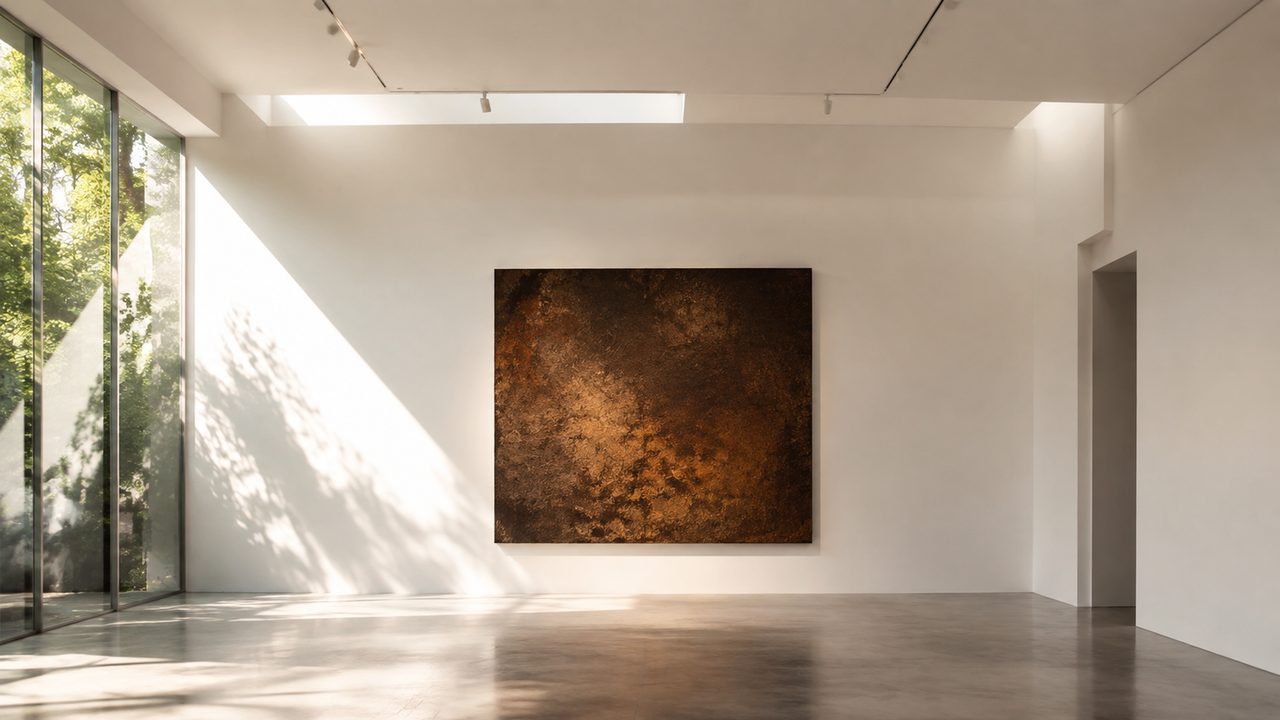
The Hoxton Square space opened in 2000, when the square was the centre of the East London art scene and White Cube was its loudest tenant. The gallery's presence helped turn Hoxton from a scruffy postcode into a brand, and the room itself — a converted warehouse with the square outside — still shows strong mid-career artists.
The Hoxton years are the best illustration of the White Cube effect: galleries move in, rents rise, artists move on. The brand's own history is a case study in the business the area now trades on.
How the model works
White Cube is a primary-market gallery: it represents artists, sells their new work to collectors and takes a cut that is standard across the industry. The three London spaces exist to show the work and build the artists' reputations, which is why the shows are free — the art is not the product; the attention is.
That is the argument for visiting as a non-buyer: the gallery is doing its marketing in public, and the shows are designed to be seen. The front desk will smile, hand you a price list if you ask and never follow you around the room.
Practical notes
The three spaces are not close to one another — Bermondsey is a short walk from London Bridge, Mason's Yard near Green Park, and Hoxton Square near Old Street — so treat them as separate visits rather than one route. Check the hours online before travelling; the Bermondsey and Hoxton rooms close on Mondays, and Mason's Yard keeps its own weekday rhythm.
Bermondsey Street itself is worth the trip, with Maltby Street market a few minutes away on weekends. Between the three rooms, the bookshop and the market, a White Cube day is really a day across three very different Londons.