A gallery built on spectacle
The Saatchi Gallery began in 1985 as the private showcase of the advertising mogul Charles Saatchi, who used it to launch the careers of the Young British Artists — Damien Hirst, Tracey Emin and the rest — in the 1990s. The gallery moved to its current home, the Duke of York's Headquarters on the King's Road in Chelsea, in 2008, and it has been free to enter since 2019.
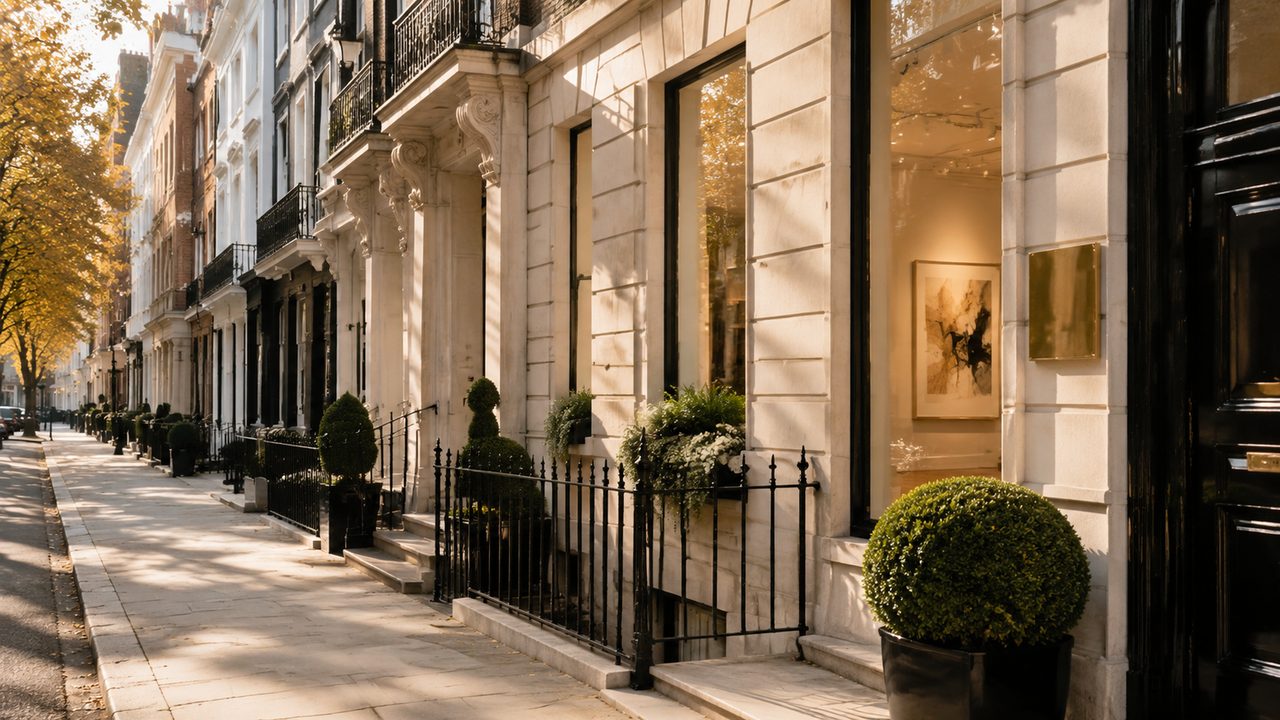
The building was originally a military school, and it shows: long corridors, high ceilings and a parade-ground courtyard. The gallery turned the corridors into white rooms, and the scale of the space is the first artwork you meet.
The building: an army school with high ceilings
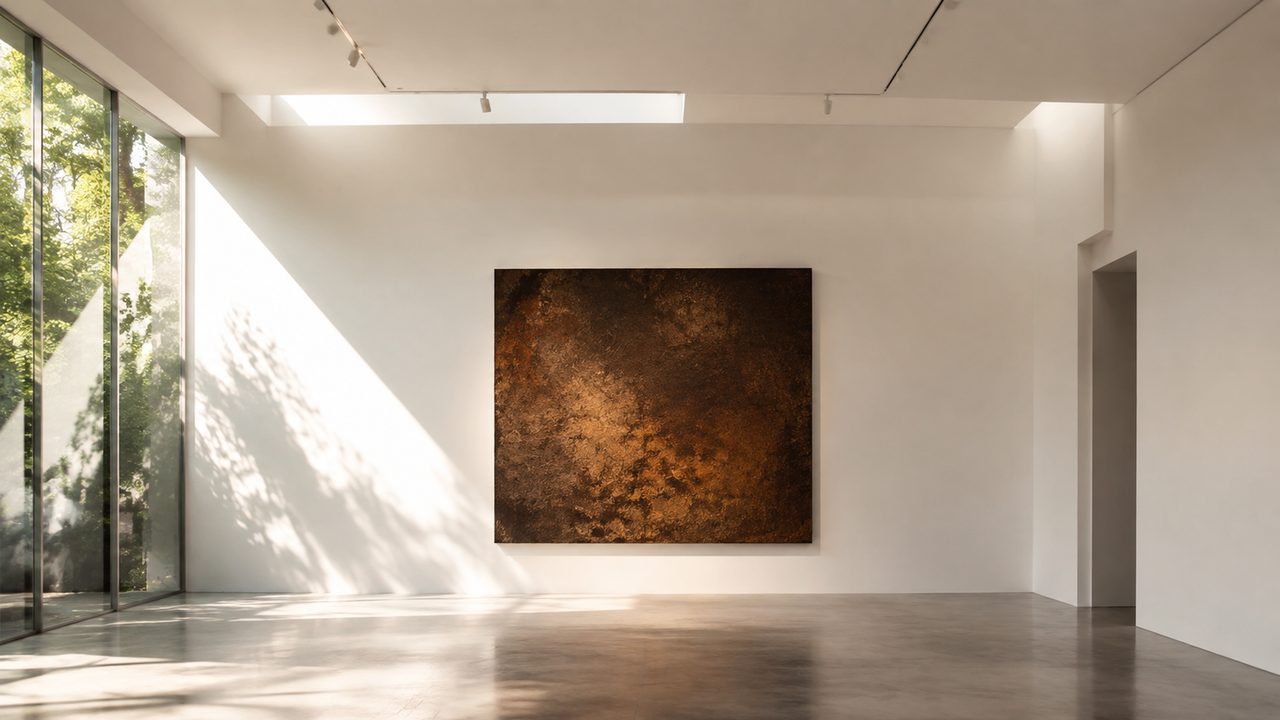
The Duke of York's Headquarters was built in 1801 for the education of soldiers' children, and its long, plain rooms were designed for dormitories and drill, not art. The Saatchi Gallery's conversion kept the volume and painted everything white, so the building reads as a series of monumental empty boxes.
That emptiness is the gallery's signature. Where most museums pack the walls, Saatchi hangs one or two large works per room, letting the art own the space. The effect is theatrical, which is exactly the intention.
The rooms and the hang: space as the medium
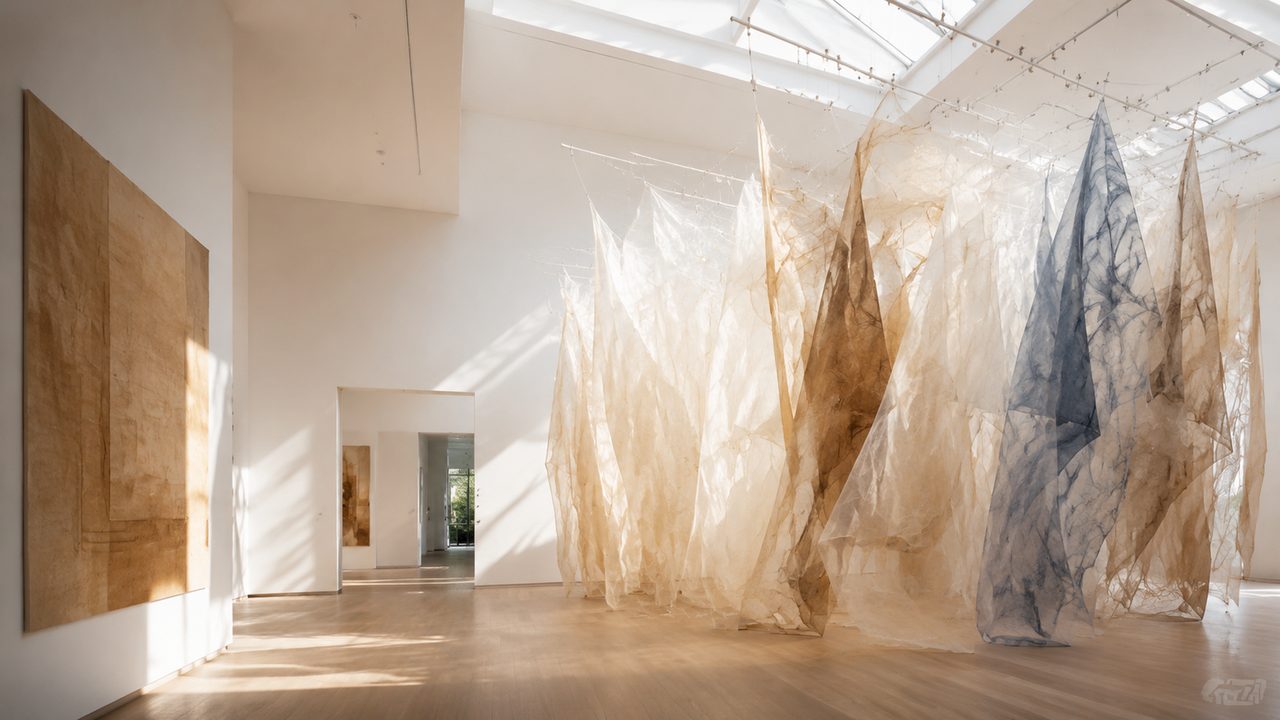
The programme is built around single-artist retrospectives and large theme surveys, usually of young or emerging art, and the hang tends to favour work that photographs well and reads from across a room. The gallery has always been better at discovering artists than at deep scholarship — its history is one of big reveals rather than long arguments.
The current shows rotate through the year, and because entry is free, there is no cost to dipping in for twenty minutes. The rooms are at their best when you go in knowing nothing about the artist and let the work make its own case.
What free means here
Free entry since 2019 was a deliberate strategy: the gallery is a commercial operation funded by the building's surrounding development, and the free halls are the lure. The Duke of York Square retail street and the Saturday farmers' market next door are part of the same operation, and the gallery sits at the centre of a shopping destination.
The trade-off is visible in the shows — crowd-pleasing, immersive, occasionally shallow. For a first-time visitor the arrangement is unbeatable: serious-scale art, no ticket, and a farmers' market for lunch. The free entry also widens the audience: families, school groups and first-time gallery-goers make up most of the footfall, and the rooms are rarely quiet because of it.
The blockbuster model and its limits
The criticisms of the Saatchi model are fair and worth knowing before you go. The shows rarely commission new scholarship, the selection favours spectacle, and the gallery's relationship with the artists it launched has been commercially sharp at times. None of that stops the rooms from being worth your hour.
See it as a platform rather than a collection. The Saatchi Gallery has no permanent display of its own history, so what you get is whatever the current show is — which is the point, and also the reason to check what is on before you travel. The programme runs in blocks, and a single visit will usually catch one big survey and one group show, which is enough to judge the current state of the art it favours.
Practical notes
The gallery is at Duke of York's HQ, King's Road, a two-minute walk from Sloane Square station. It opens daily from 10:00 to 18:00 and is free, with no booking for the main galleries; some special exhibitions carry a charge.
Combine the visit with the Chelsea Farmers' Market on a Saturday, or with the walk along the King's Road — London's most self-consciously fashionable street, which the gallery now out-shouts with ease.