A Victorian art club for the neighbourhood
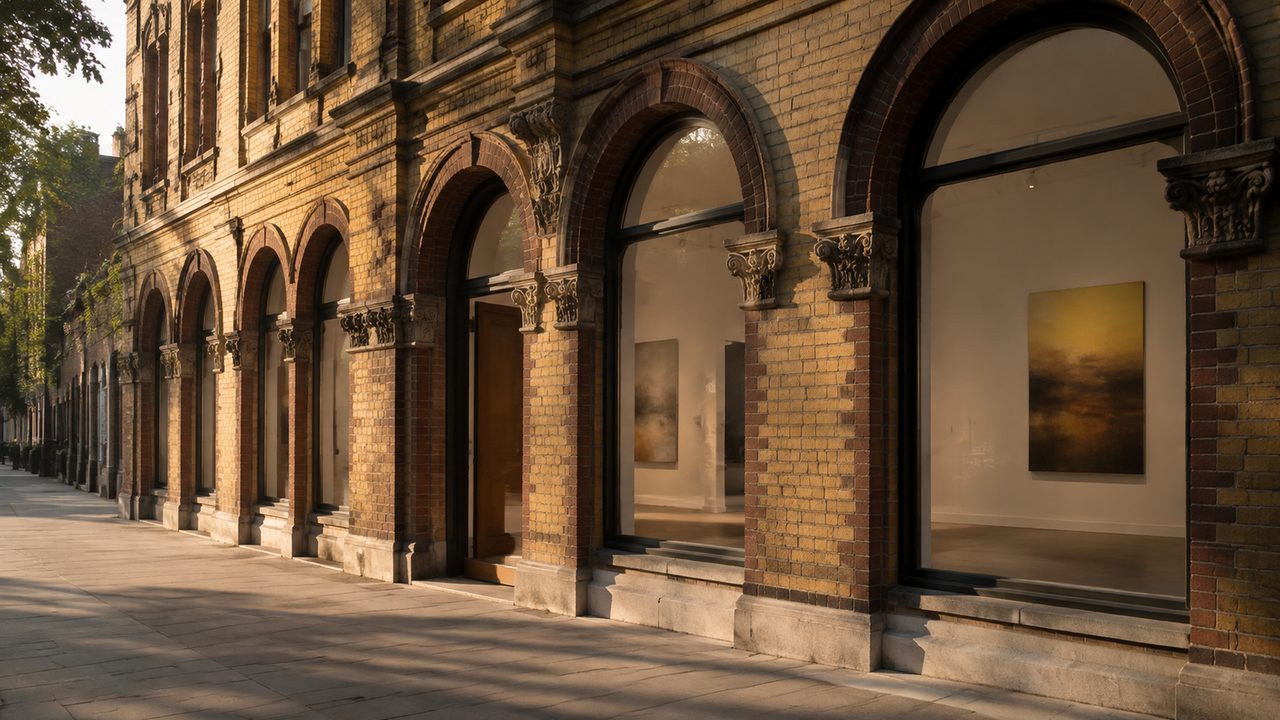
The South London Gallery began in 1891, when a group of local campaigners — led by the artist William Rossiter — raised money to bring art to working people south of the river. It opened on Peckham Road with a simple promise: the best art of the day, shown where people lived, free of charge. The gallery has kept that promise long enough to outlast most of its imitators.
The original building is still there, its Victorian front room now part of a larger complex of galleries. The ethos survives too: the current programme mixes international artists with local ones, and the gallery treats Peckham as a subject rather than a backdrop.
The main gallery and its rooms
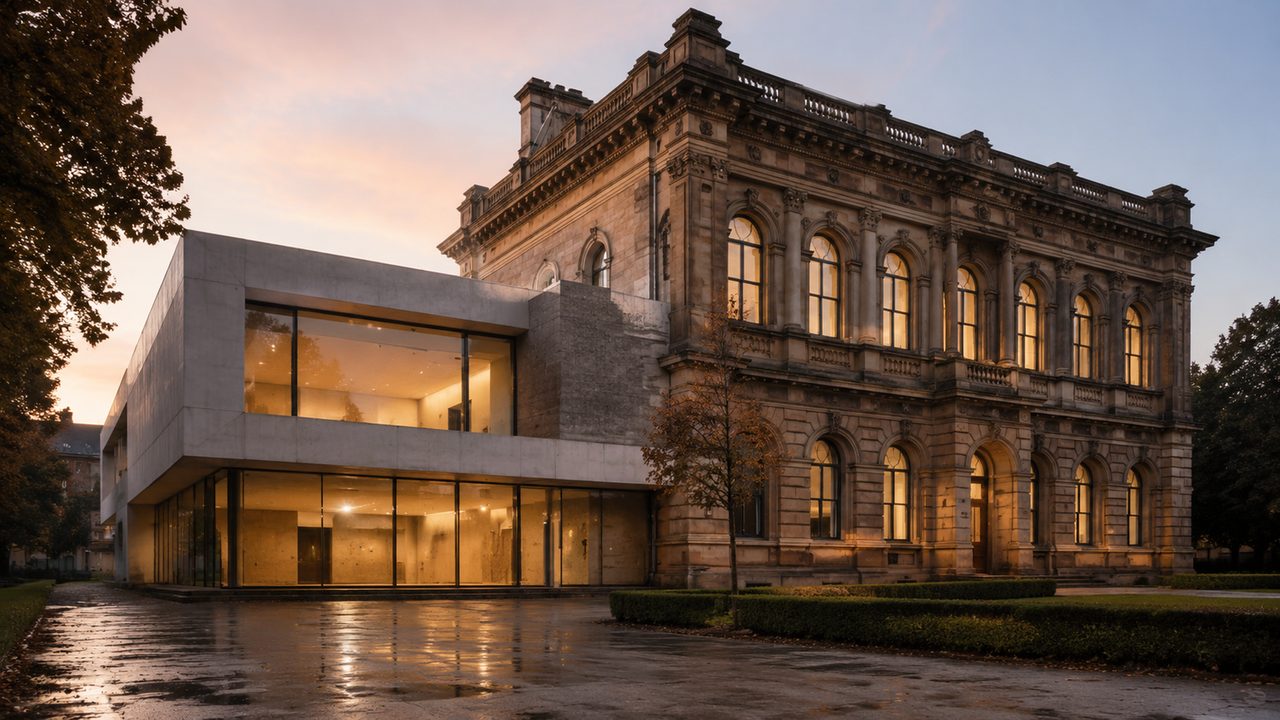
The main building at 65–67 Peckham Road holds a suite of rooms that step from Victorian to contemporary architecture. The original hall keeps its high ceiling and polished floor, while a modern extension, completed in 2010 by the architects 6a, added a series of clean white rooms and a glass-fronted studio space.
The shows rotate every few months and tend to be generous with space — a single artist given a whole floor, with room to breathe. The standard is high enough that the gallery's exhibitions regularly travel to bigger institutions, which is how Peckham's quiet powerhouse keeps its reputation.
The Fire Station across the road
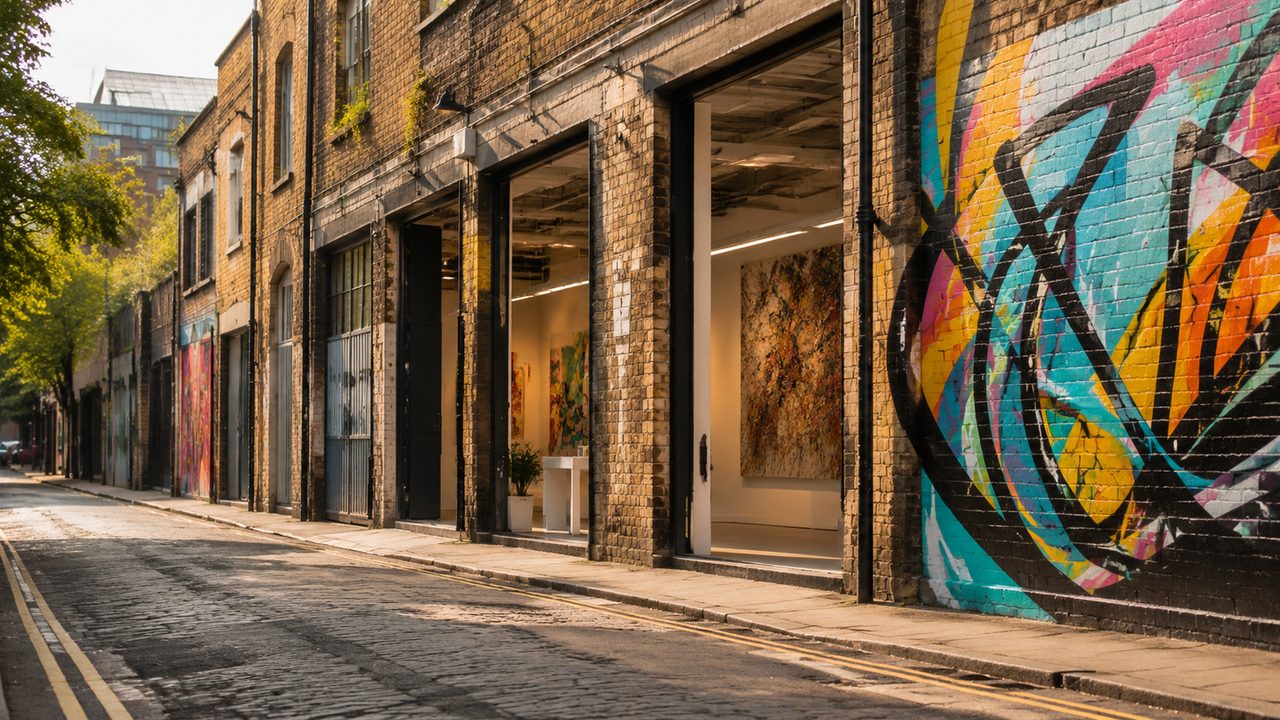
Across Peckham Road, the gallery runs a second site: the former Peckham fire station, a 1960s building that sat empty for years before the gallery took it over. The Fire Station now holds a project space for new commissions and a row of artists' studios, and its tall industrial rooms are the perfect counterweight to the Victorian halls opposite.
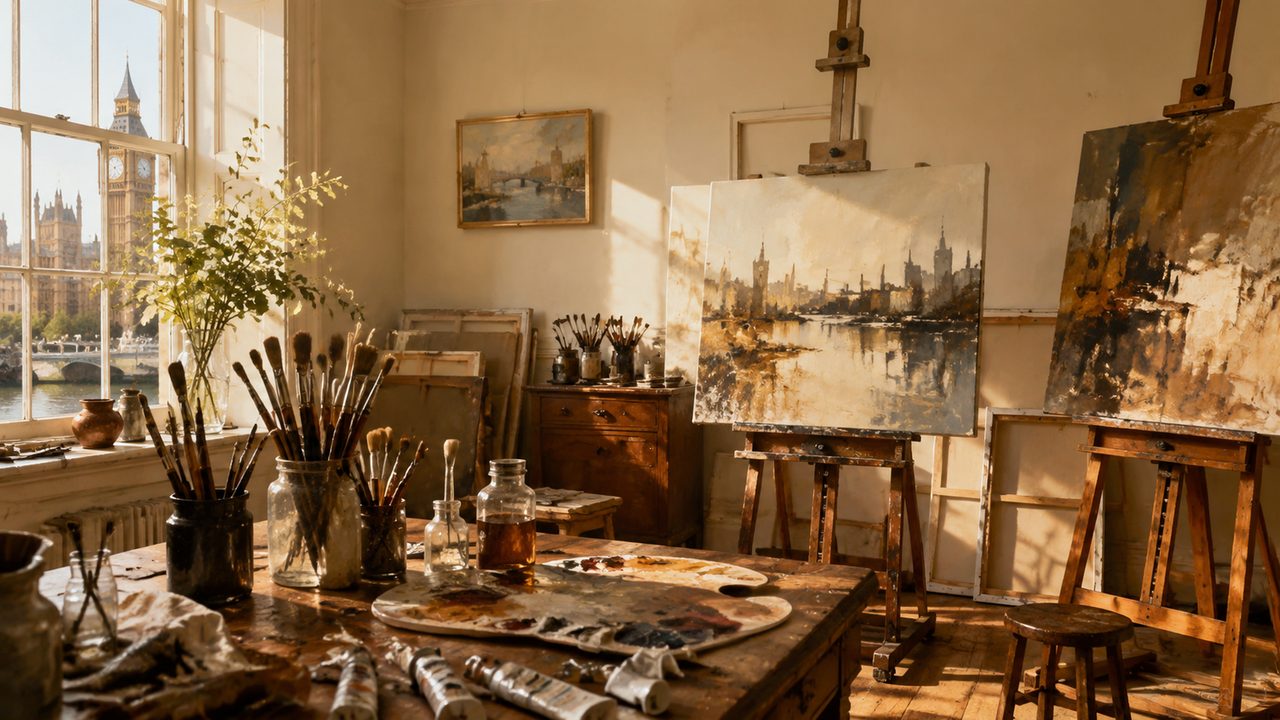
The two buildings tell the story of the gallery in miniature — the old promise of art for the people, and the new reality of artists needing affordable rooms. The studios are home to a rotating cast of makers, and the project space shows the work that comes out of them.
The garden on the estate
The gallery's walled garden, behind the main building, is one of the best-kept secrets in south London. It was carved out of land next to the council estate that borders the gallery, and it is open to everyone — a lawn, trees and a summer programme of films and events that turns the garden into the gallery's biggest room.
The garden is also a piece of social history: the gallery's neighbours on the estate have used it for decades, and the arrangement is a working example of an institution sharing its space rather than fencing it off. On a summer evening, with a film on the lawn, it is hard to think of a better free evening in the city.
Peckham's art ecosystem
Peckham has changed around the gallery. The area is now thick with studios, artist-run rooms and a younger creative population, much of it drawn by rents that were cheap for a decade and by the gallery's example. The South London Gallery was here first, and it remains the anchor of a scene that now stretches from Rye Lane to the railway arches.
The gallery's relationship with that scene is practical: it shows local artists, gives them studio space and commissions new work, and lets the neighbourhood's energy set the tone. It has none of Mayfair's polish and none of the art-fair urgency — and that is exactly what makes it valuable.
Practical notes
The South London Gallery is on Peckham Road in Camberwell, a ten-minute walk from Peckham Rye or Denmark Hill stations. It is free and opens Wednesday to Sunday from 11:00 to 18:00, with regular late openings on the first Friday of each month.
The Fire Station and the garden are part of the same visit, and the gallery's cafe serves one of the better coffees in the area. Combine the trip with a walk up Rye Lane — London's most energised high street — and you will have seen the real Peckham, not the version in the listings.