A gallery built for the East End
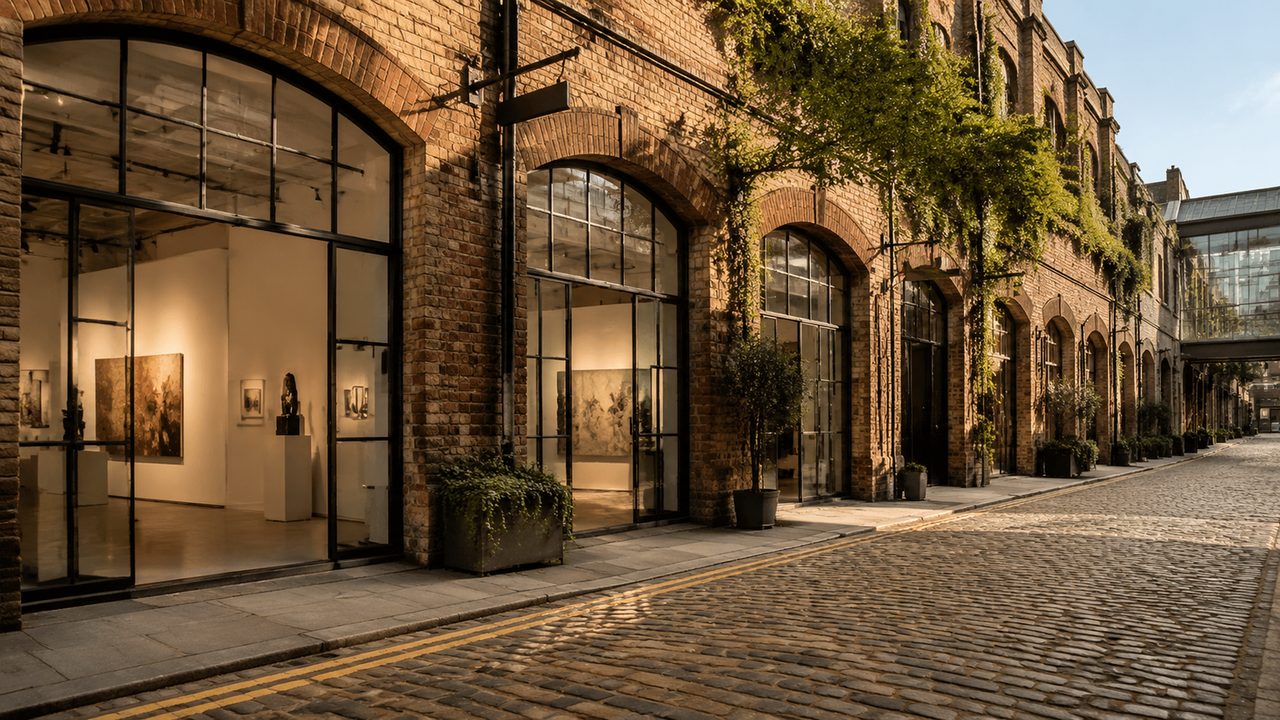
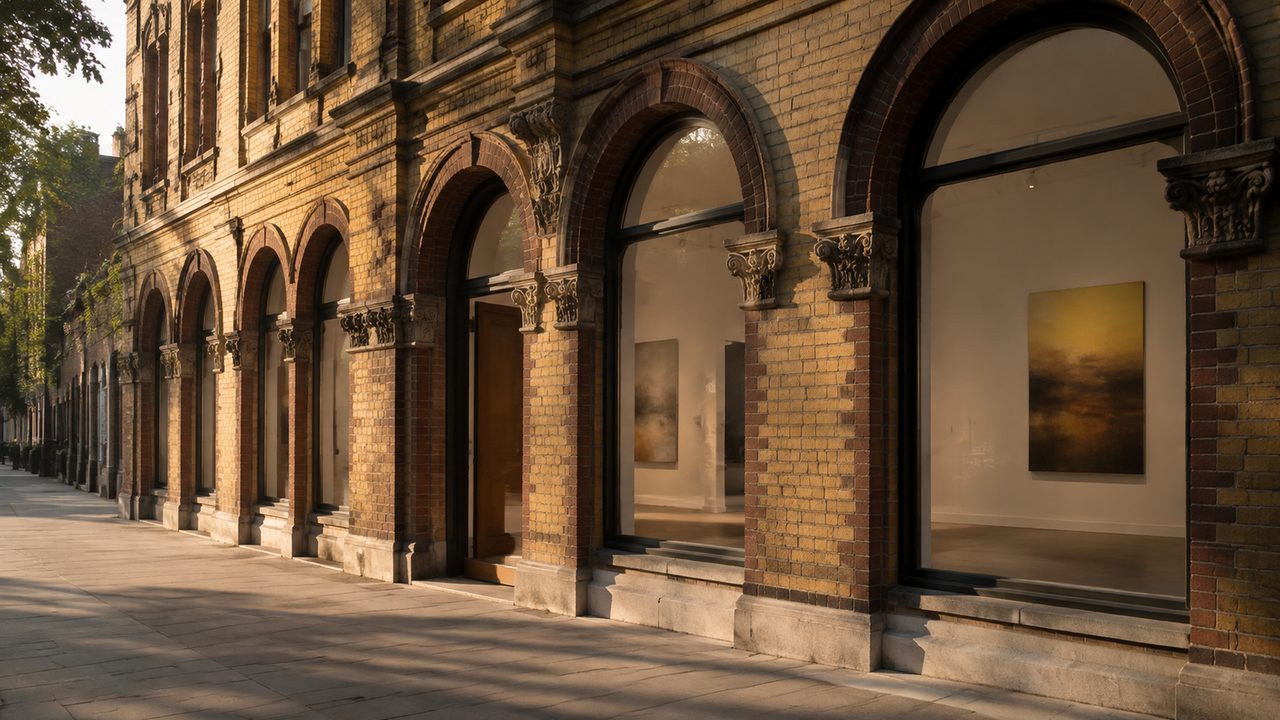
The Whitechapel Gallery opened in 1901 on the corner of Whitechapel High Street and Commercial Street, built to bring art to the working East End. Its founders believed great paintings should hang where people actually lived, and the building — designed by Charles Harrison Townsend, with a mosaic-trimmed facade — was the most democratic art institution London had seen.
The gallery still sits on the same corner, opposite the East London Mosque and a minute from Aldgate East station. The building's extension, completed in 2012, doubled its size without losing the original's character.
The 1939 Guernica
The gallery's most famous moment came in January 1939, when it staged the first British showing of Picasso's Guernica, the vast anti-war painting made two years earlier after the bombing of a Basque town. The show raised money for Spanish refugees, and the queues stretched down Whitechapel High Street.
Guernica itself returned to Spain long ago — it hangs in Madrid — but the story defines the gallery's method: take the most serious art of the moment and put it in front of people who were never expected to see it. It was also the founding lesson in scale: a single painting, shown once, could move a whole city — and the building has chased that effect ever since.
Pollock, Rothko and the American invasion
The post-war decades were a run of firsts. In 1958 the Whitechapel gave Jackson Pollock his first solo show outside the United States, and in 1961 it gave Mark Rothko his first British solo show. Both exhibitions were controversial and packed — the gallery's audience had never seen American painting at that scale.
Frida Kahlo's first major London exhibition came here in 1982, decades before her global fame, and the pattern repeated: the gallery finds the artist before the market does. Its history is a list of names that were unknown when they hung here.
The free galleries and the permanent rooms
Today the main galleries are free, and the programme still mixes the historical and the new: survey shows of major artists, group exhibitions drawn from the local area, and the occasional return to the gallery's radical past. The large ground-floor room, with its tall windows onto Whitechapel High Street, is one of London's best free spaces.
The gallery also holds a small permanent display drawn from its own collection and archive — prints, posters and documents from a century of firsts — which is the fastest way to understand what the building has been for. It is the only part of the gallery that looks backwards, and it earns its place by making the present shows feel like continuations rather than departures.
What the programme looks like now
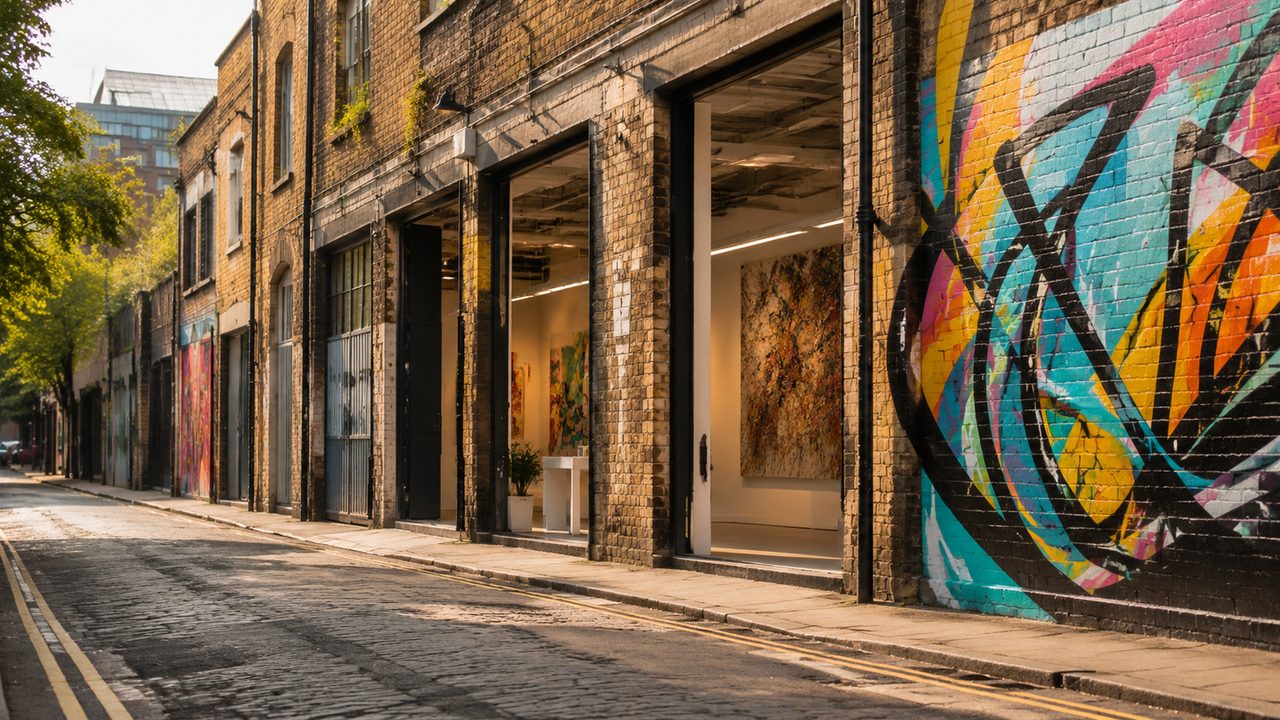
The modern programme keeps the founding instinct: ambitious shows in a neighbourhood that is changing around the gallery. The building now shares the street with galleries, restaurants and the gentrification that pushed much of the old East End art scene further east — the Whitechapel's role has shifted from pioneer to anchor.
The gallery's own commissions continue to give young artists their first institutional rooms, and its bookshop and cafe make it a working part of the street rather than a monument to it. The free entry is a statement as much as a policy: a gallery built for the East End would be betraying its founders if it charged for the main rooms. The art world it helped create has moved on; the gallery has not.
Practical notes
The Whitechapel Gallery is at 77–82 Whitechapel High Street, E1, a minute from Aldgate East station. The main galleries are free and open Tuesday to Sunday from 11:00 to 18:00, with late opening until 21:00 on Thursdays; some special exhibitions carry a ticket.
It is the natural starting point for an East End gallery day: the routes through Shoreditch and beyond all begin within a ten-minute walk of its front door.