From Shad Thames to Kensington
The Design Museum was founded in 1989 by the designer and retailer Terence Conran, who gave it a home among his own warehouses at Butler's Wharf beside the Thames in Bermondsey. In 2016 it moved west to Kensington, into the former Commonwealth Institute building, and the move changed what it is: from a specialist museum to one of London's most visited design rooms, with a permanent gallery, big temporary shows and a shop that functions as a design department store.
The permanent gallery is free, which makes the museum one of the best no-cost rooms in west London. The ticketed shows upstairs are a separate decision — more on them below.
Designer Maker User: the free core
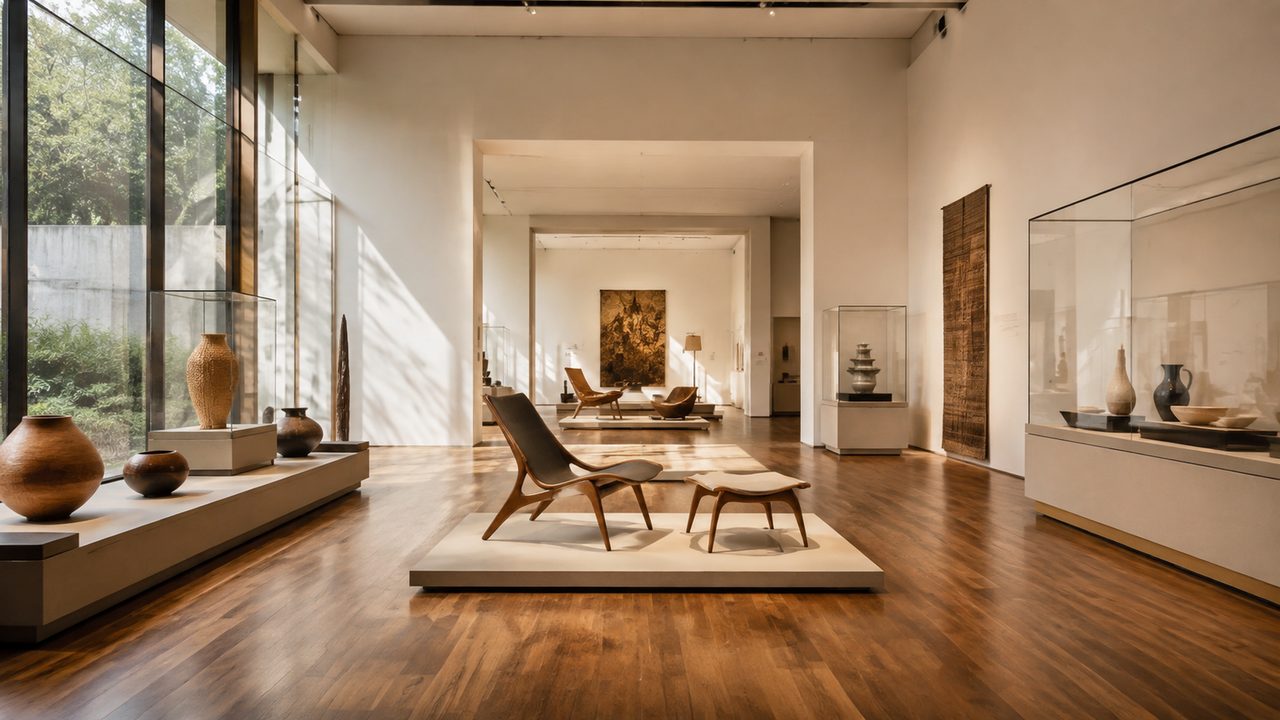
The free permanent gallery, called Designer Maker User, is the museum's argument in one room. It traces design through three roles — the designer, the maker, the user — with objects that most visitors have lived with: Harry Beck's 1933 London Underground map, the first Penguin paperback, the Anglepoise lamp, a Brompton folding bicycle.
The gallery deliberately avoids the preciousness of most museum displays. The objects sit in plain cases with plain labels, and the effect is to make you look again at the things you stopped noticing years ago. That, not the building or the blockbuster shows, is the museum's real achievement.
The temporary shows, and what they cost
The ticketed exhibitions on the upper floors are where the museum makes its name and its money. They change every few months and usually run £15–18 for adults, with concessions and family rates; past subjects have ranged from single designers to whole industries, and the hang tends toward spectacle — prototypes, films, full-scale objects.
The shows are worth booking in advance on weekends, when the museum's popularity shows. If you only have an hour, skip them and give the free gallery and the building itself the time instead.
The building: a Commonwealth Institute under glass
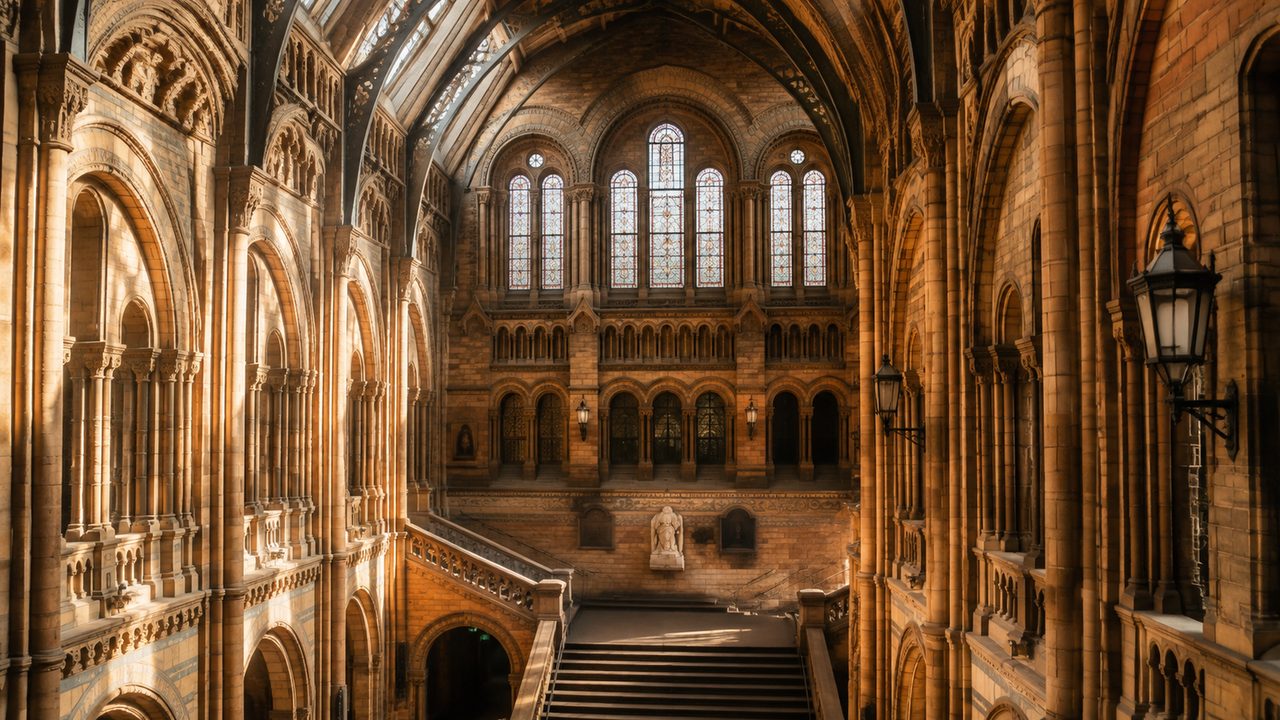
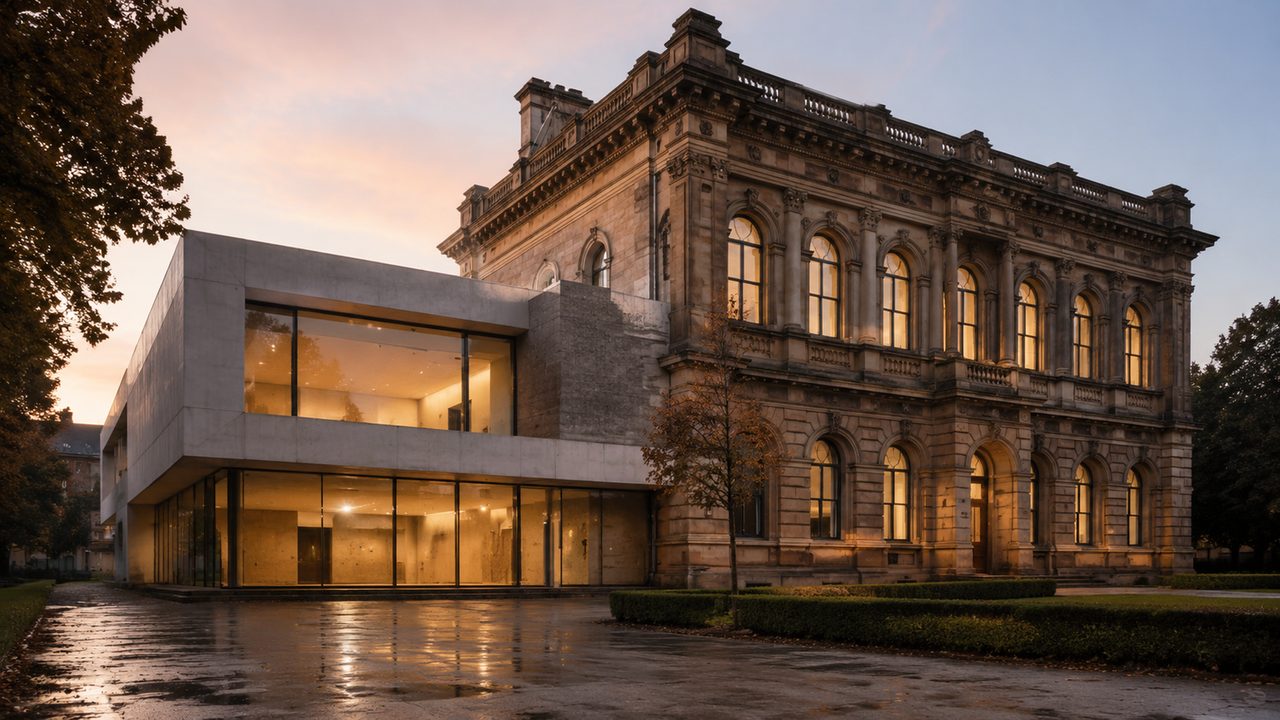
The building is a 1962 design by the practice of Sir Robert Matthew, built as the Commonwealth Institute, and its copper parabola roof was controversial when new and beloved now. John Pawson's 2016 conversion gutted the interior and filled it with white walls and a wide oak staircase, leaving the roof as the single dominant gesture.
The atrium under the roof is the museum's best free space: daylight pours down the curve, and the staircases and bridges make it possible to see the whole building from a dozen angles. Sit on the steps at the base and look up — the roof does what the best design always does, which is make an ordinary moment feel deliberate.
The shop, the cafe and the view
The ground-floor shop is the most dangerous room in the museum for wallets, stocking everything from £5 postcards to £500 chairs. The cafe on the ground floor is good, and the top-floor restaurant — open to everyone, not just ticket-holders — serves one of the best-value lunches on the High Street with a view over the roofs of Kensington.
The museum's setting helps: it sits at the west end of Kensington High Street, ten minutes' walk from the V&A and the Natural History Museum, which makes it possible to combine a design visit with a museum day. Do not try to do all three properly; pick two.
Practical notes
The Design Museum is at 224–238 Kensington High Street, a five-minute walk from High Street Kensington station. It opens daily from 10:00 to 18:00; the permanent gallery and the shop are free, while the temporary exhibitions are ticketed and best booked in advance.
The museum is at its quietest on weekday mornings, and its busiest on Saturday afternoons when the shop fills up. Give the free gallery an hour, the roof another twenty minutes, and the building will do the rest.