Do it before the crowds
East London's street art is not a secret, which is its problem: the tour groups arrive from mid-morning, and by noon the famous walls are ringed with people taking the same photograph. The fix is simple and free — go early. On a weekday, the streets around Brick Lane are still quiet at nine, the light is low and long, and you will have the walls to yourself.
The route below assumes you want the real thing rather than the postcard version: fewer crowds, better paint and a walk that tells you how the area actually works.
Brick Lane's few worth stopping at
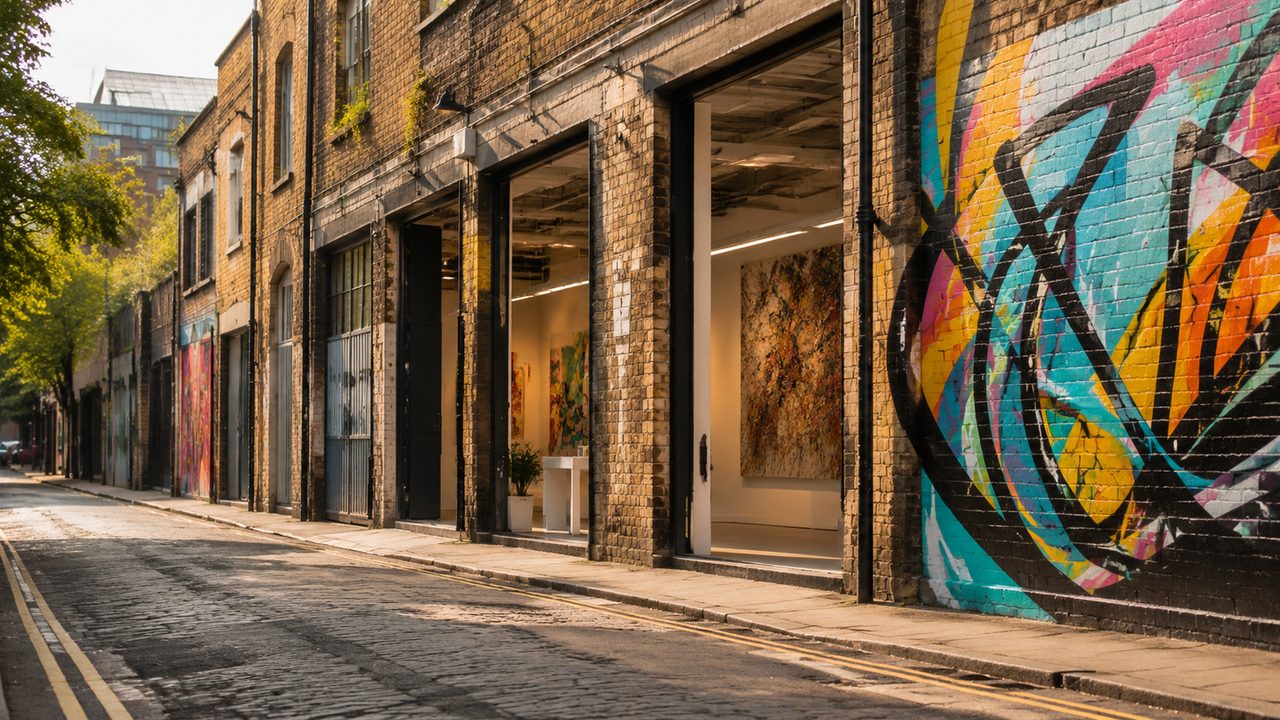
Brick Lane itself still carries some serious work, but it is increasingly a shop front for the souvenir trade — posters of famous stencils, T-shirts, endless prints of the same walls. Stop for the handful of large, well-preserved pieces and walk past the rest; the street's real interest is in its side streets, not its main drag.
Most of the famous works that put the area on the map have been removed, painted over or boxed behind perspex. Treat anything claiming to be an original with suspicion, and treat the persistent copycats as the tourist trade they are.
Hanbury Street and the side alleys
The older, better work sits on the streets between Brick Lane and Commercial Street — Hanbury Street, Princelet Street and the alleys that connect them. The paint here is layered, older and more personal, with years of tags and reworks stacked on top of one another. This is where the area's mural history actually lives.
Walk slowly and look up: the best pieces are often above shop-front height, on the upper walls of the old houses and the blind gables. The side streets also hold the murals that the tours skip because they do not fit the script.
Cambridge Heath and the railway walls
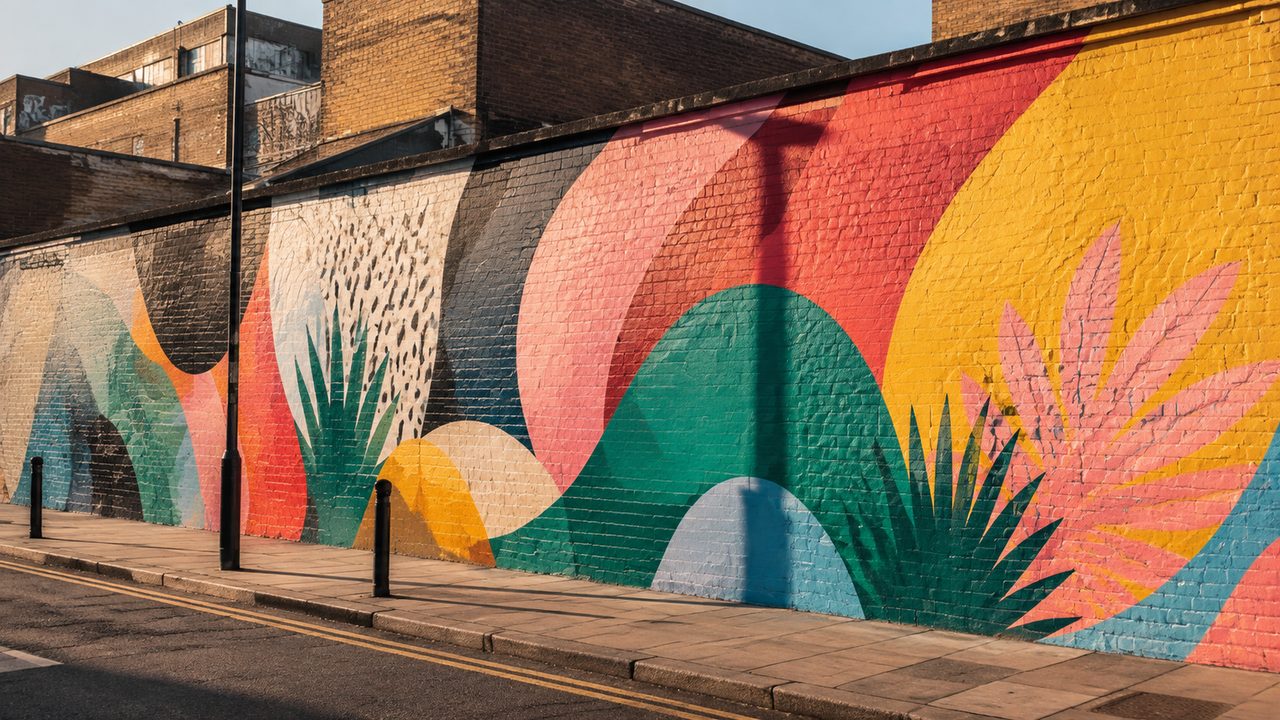
Head east along the railway line toward Cambridge Heath and the walls change character. The arches and embankments here are legal painting spots, where artists are allowed to work and are painted over constantly — the street art equivalent of a public rehearsal room. The turnover is the point: every visit shows something new.
The canal path beside the railway, running from Bethnal Green toward Hackney, carries a long run of legal walls and improvised galleries under the bridges. It is quieter than Brick Lane, better lit than the alleys, and the walk between the two areas is twenty minutes well spent.
Hackney Wick: the yards and the bridges
The route's reward is Hackney Wick, the industrial peninsula across the canal where the city's studio population clusters. The bridges and factory walls are painted end to end, and the yards around the old warehouses carry work by the artists who actually live and work here — a step beyond the tourists' Brick Lane entirely.
The Wick's warehouses host studios and occasional open weekends, and the area's own murals are made by its residents. The yards also hold some of the area's last affordable studios, and the murals outside them change as the tenants do — a rolling record of who is working here and what they care about. On a quiet morning, with the canal and the Olympic Park beyond, it is the best free art walk in London.
What to bring, what to skip
Bring comfortable shoes and a phone with a full battery; skip the paid tours, the umbrella-wielding guides and anything that charges to see a public wall. The whole route is on public streets, free, and open every hour of the day — the tours sell convenience, not access.
The walk from Shoreditch High Street to Hackney Wick takes about forty minutes of walking plus stops, so allow two to three hours with looking time. Check the weather first: the walls are still there in the rain, but the painting is easier to read in the low light of a dry morning.