What the rework actually was
For most of the past year, the upper floors of the Bankside building were a construction site in all but name: walls down, labels off, and the permanent collection scattered across the gallery's stores while curators argued about what should hang next to what. What reopened in the spring is not a new building and not a new collection. It is a new argument about the collection — a rehang that groups works by ideas rather than by decade, with more space given to the second half of the twentieth century than the building has offered since it opened.
What changed: rooms with arguments
The headline change is thematic. Where the old display ran roughly chronologically from level to level, the reworked galleries group paintings, sculpture, film and photography under broad questions: what art does to the body, what it does to the city, how materials carry meaning. In practice this means Matisse's cut-outs can sit two rooms from a video installation made last year, because both are about the same kind of attention. Some rooms work beautifully; a new long gallery of postwar painting, hung with generous spacing, is the best thing the museum has done in a decade. Others feel like a university seminar that forgot to close the door. The trade-off is real: the building now rewards people who read the room titles, and mildly punishes people who just want a walk through art history.
What survived: the Turbine Hall, the Tanks, the view
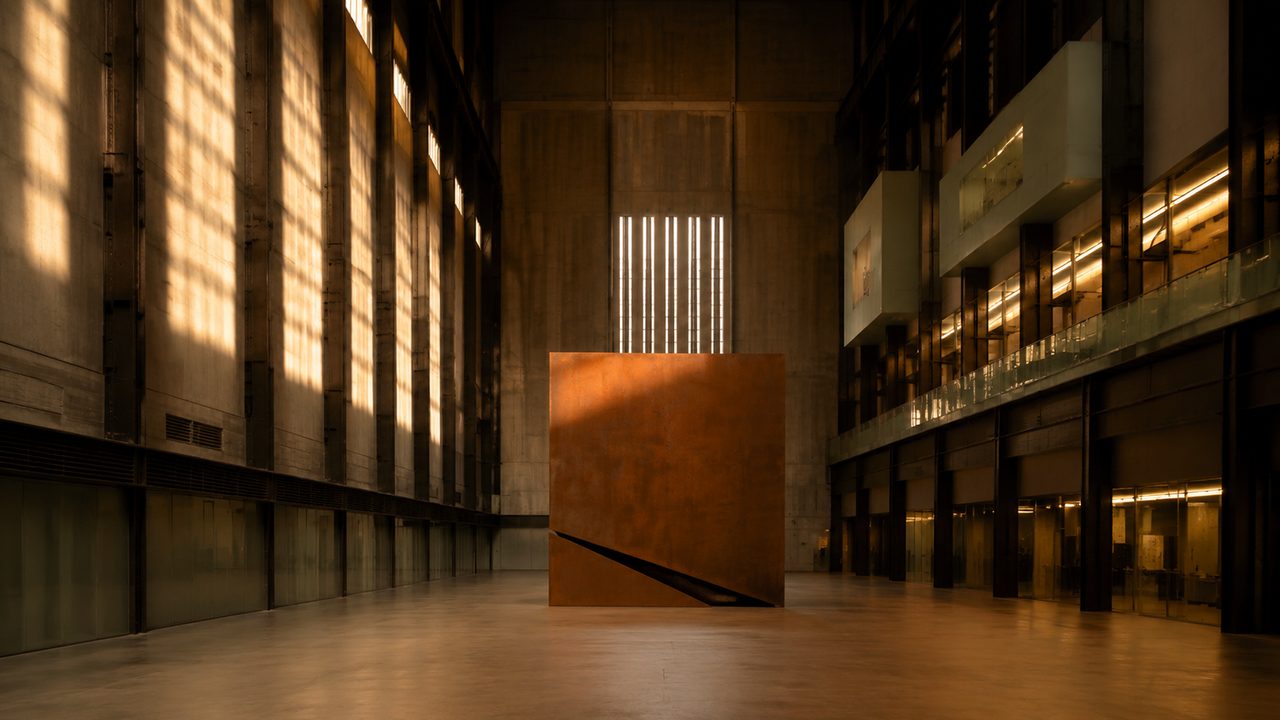
The things you cannot move have stayed exactly where they are. The Turbine Hall still runs the length of the building, free and empty between commissions, and it remains the best room in London for standing still in. The Tanks, the two underground oil tanks converted to performance and film galleries, still hold free displays and need no booking. And the viewing gallery at the top of the Blavatnik Building still gives you the City skyline, the river and St Paul's for nothing — an argument for taking the lift even when your legs have gone. The permanent collection is still free to enter, which is the single most important thing the rework did not touch.
A first-visitor route through the new hang
Come in from Bankside and you will land in the Turbine Hall. Do not immediately ride the escalator. Walk to the far end, take the stairs at the rear of the hall, and follow the new hang upward rather than starting at the top and working down. Give the postwar painting room twenty minutes, the film rooms as long as they hold you, and end at the Blavatnik viewing level in time for the 17:00 light. In summer the museum stays open until 18:00 daily, with late opening on Fridays until 21:00, and the last hour is reliably the quietest.
Where it still strains
Not everything in the rework is solved. The thematic rooms crowd more people into fewer, smaller galleries, and on a Saturday the popular rooms move at the pace of a rush-hour platform. Wayfinding is honest but sparse — expect to backtrack once. And the collection's blind spots remain: the display is strong on European and North American art, thinner on almost everything else, and the rework does not pretend otherwise. Visit on a weekday morning and none of this will trouble you much.
Practical notes for the South Bank
Entry to the permanent collection is free; special exhibitions in the Blavatnik Building and the Natalie Bell Building carry their own tickets, usually £18 to £22, and sell out on weekends. No booking is needed for the free floors, though Friday evenings are popular. The nearest stations are Blackfriars and Southwark, both about ten minutes on foot, and the riverside walk from the Globe to the museum is the gentlest approach. Bring less than you think you need, use the free cloakroom, and give the rework the one thing it actually asks for: time.