The arch economy
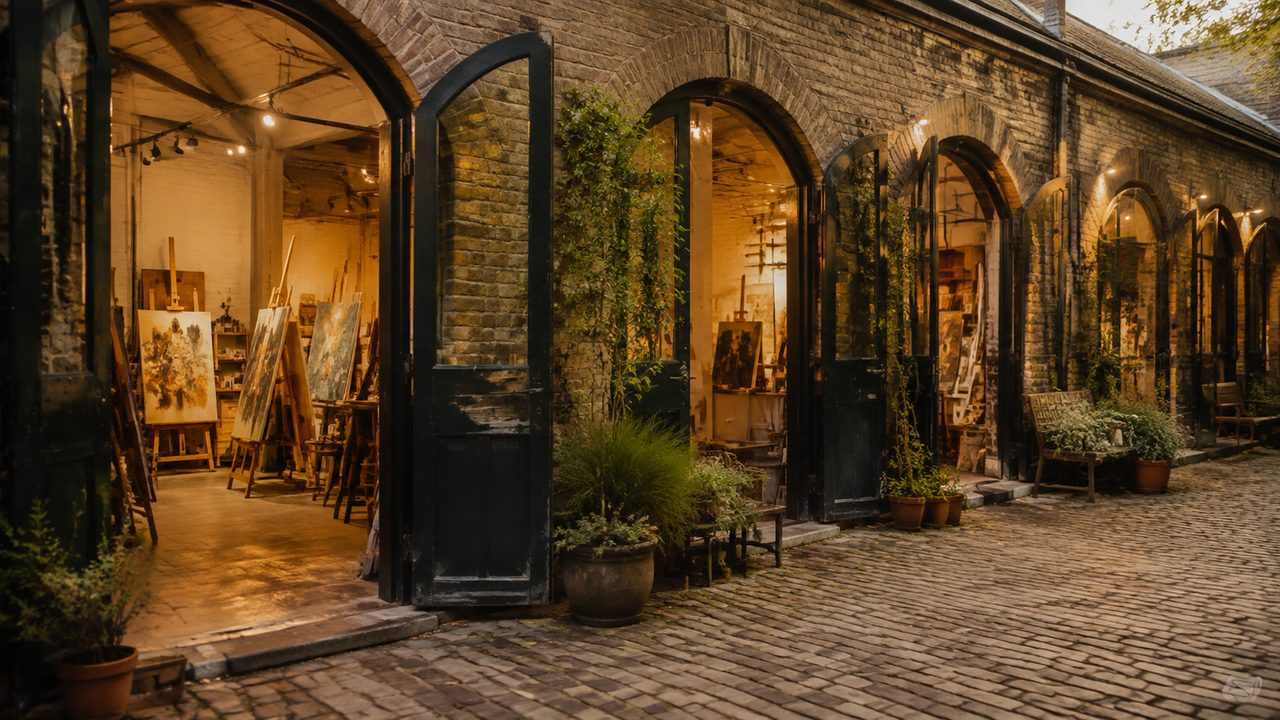
Run your hand along the brick of a railway arch in Camden and you can feel the trains going past. That is the whole point. The arches under the lines between Chalk Farm and Kentish Town were never built for artists, but for a century they have been rented cheap, left alone and turned into studios — vaulted rooms of brick and concrete where the rent stays lower than anywhere else in the borough. The trade-offs are real: no natural light through the walls, no heating to speak of, and the constant percussion of the North London line overhead. Painters who work here say you stop noticing the trains after a month, and start missing them when you leave.
A short history: from the Camden Town Group to now
This part of London has been a painting address for over a century. When Walter Sickert and his friends founded the Camden Town Group in 1911, they painted the streets, the music halls and the cramped interiors around Mornington Crescent — the same ground the arch studios now occupy. The names changed but the habit did not: through the 1960s and 1970s, cheap workshops and warehouses drew a steady stream of makers north of the centre, and the arches filled with sculptors, printers and painters. What survives today is a direct descendant of that lineage — an unglamorous, working district that produces serious painting without ever putting on a show about it.
Where the studios hide
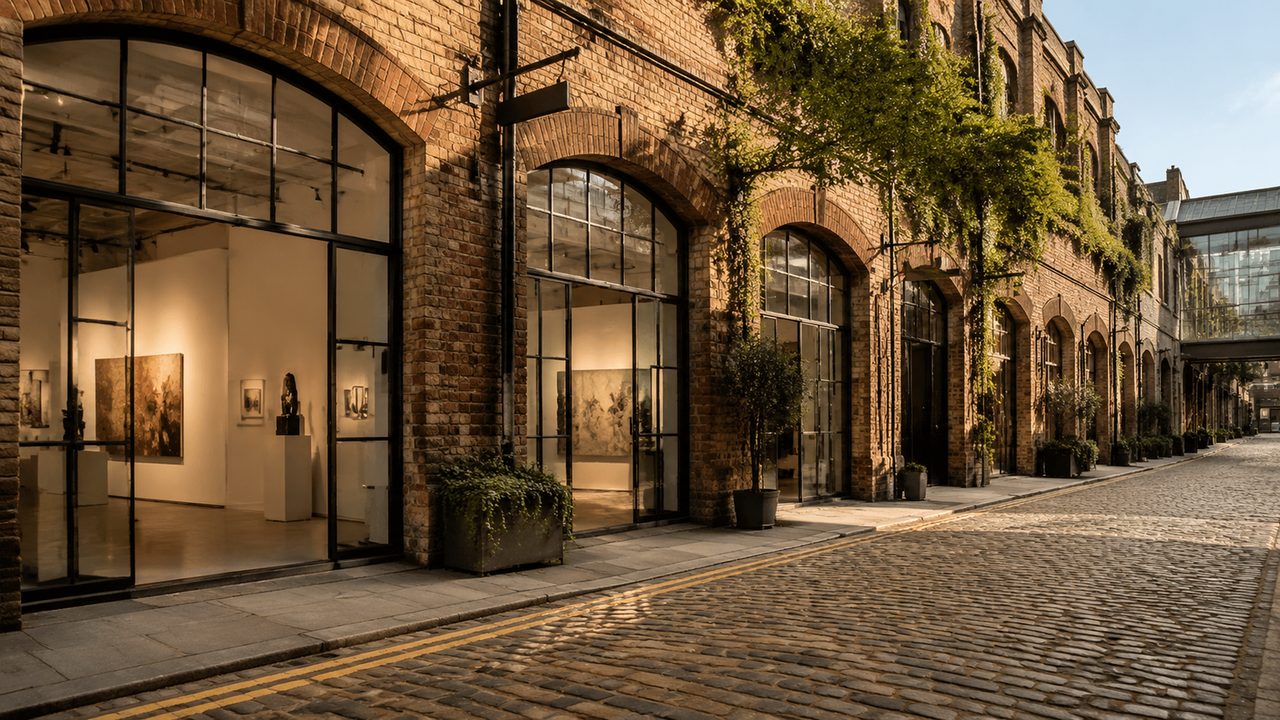
The studios cluster in three patches. The first runs along the railway viaduct by Chalk Farm Road, a short walk from the Roundhouse, where the arches are easy to spot and impossible to enter uninvited. The second sits beside the Regent's Canal towpath near Camden Lock, where a chain of converted warehouses and lock-side buildings holds studios above the tourist crowds — you can see the painted windows from the water. The third, and least known, is the cluster around Kentish Town and the old goods yard near the station, where the streets are quiet enough that the studio doors stay open in summer. None of them advertise. That is the arrangement.
Open studios and how to find them
The public face of the district is Camden Artists' Studios, a cooperative with open-studio weekends in spring and autumn, when the arches swing open for two days and you can walk from room to room meeting the painters at their easels. It is free, unpretentious and genuinely one of the best art events in north London. The year-round public counterweight is Camden Arts Centre, a short walk from Finchley Road station on Arkwright Road, which shows contemporary work in a converted school building, is free to enter and opens Tuesday to Sunday — it is where several arch painters have had their first proper shows. Visit on an open weekend and you will understand the whole system in an afternoon.
What the painting looks like
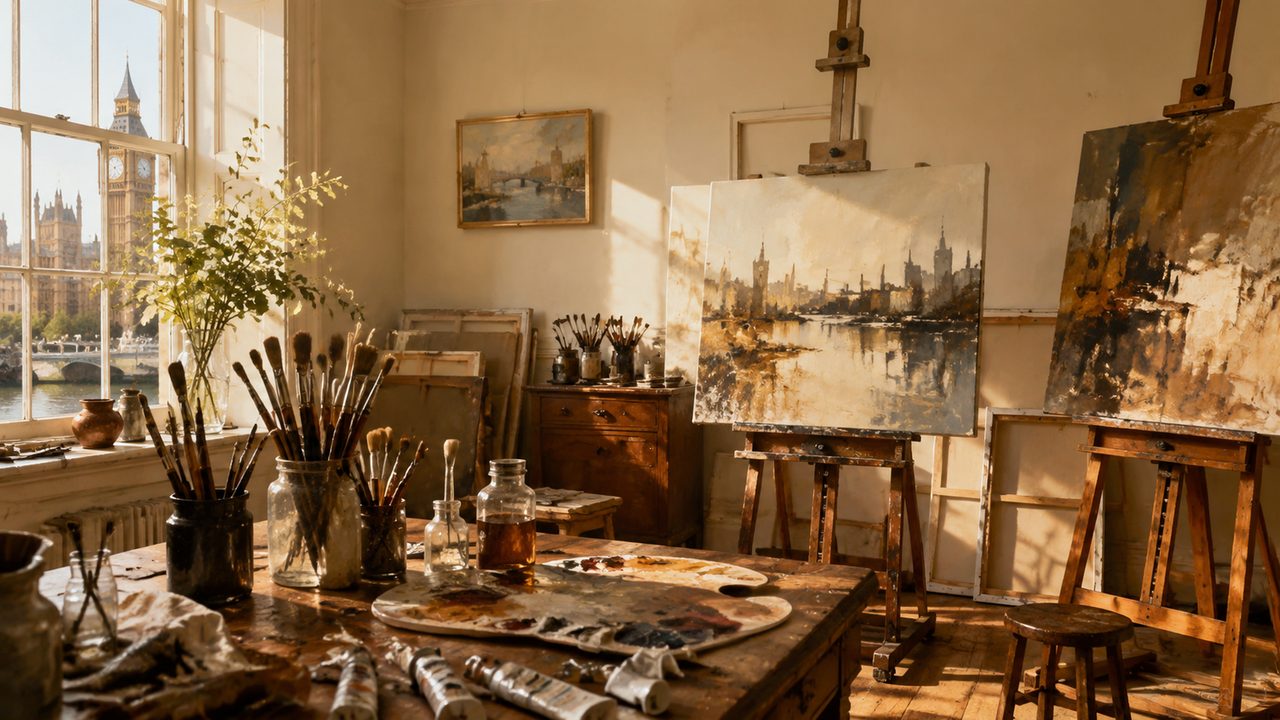
The work made in the arches tends to look like the place: railway arches, canal water, brick, the particular grey-blue light of north London. But the district is not a style. Because the studios are cheap and long-running, painters here keep working through the long stretches of a career, so the arches hold every kind of painting — small domestic still lifes, large abstract canvases, portraiture built over years. The common thread is patience. This is not a neighbourhood of quick trends; it is a place where work accumulates, and the open-studio visits reward you for looking slowly.
Visiting notes
Outside the open weekends, the arches are private workspaces, and knocking on studio doors uninvited is not done — buy a map at an open-studios event or visit Camden Arts Centre instead. If you do come for an open weekend, arrive early, bring cash for the small works people sell from their walls, and allow time for the canal walk between the clusters; it is the most pleasant ten minutes in the borough. And when the trains rumble overhead and the painter shrugs, remember the history: Sickert painted this noise in 1911, and the city has been painting over it ever since.